Top 2025 Trends for Plastic Green Grass Mats: Benefits and Uses Explained
In recent years, the demand for environmentally friendly and sustainable solutions has surged across various industries, leading to significant innovations in materials and applications. Among these advancements, the Plastic Green Grass Mat has emerged as a versatile and practical option for diverse uses, from enhancing landscaping aesthetics to providing functional benefits in sports and recreational areas. As we look towards 2025, understanding the trends surrounding this innovative mat becomes essential for both consumers and businesses alike.
The Plastic Green Grass Mat is not only durable and easy to maintain, but it also offers an eco-friendly alternative compared to traditional grass solutions. With its ability to mimic the appearance of natural grass while providing various functional advantages, this product has gained popularity in residential, commercial, and industrial sectors. The upcoming trends in the use of Plastic Green Grass Mats will reflect a growing awareness of sustainability, alongside the demand for stylish and practical landscaping options. As we delve deeper into the benefits and applications of these mats, it becomes clear that they are poised to play a significant role in shaping landscapes and recreational spaces in the near future.
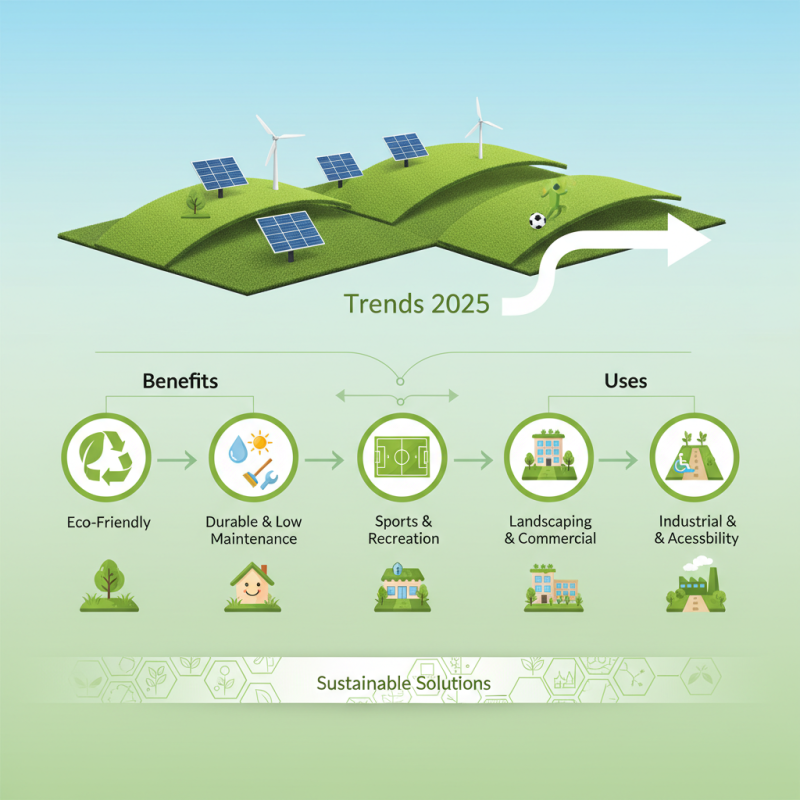
Overview of Plastic Green Grass Mats: Definition and Purpose
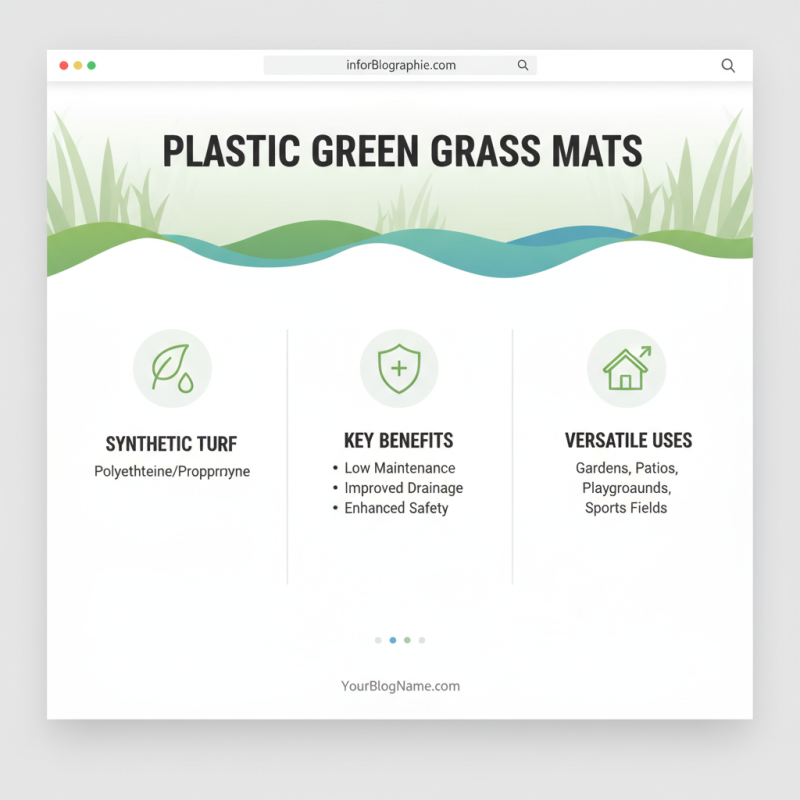
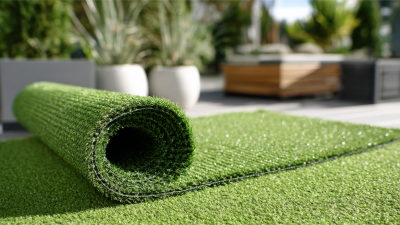
Plastic green grass mats are versatile synthetic products designed to replicate the appearance and texture of natural grass. These mats are typically made from durable polyethylene or polypropylene materials, making them an excellent choice for various applications. The primary purpose of these mats is to provide a visually appealing surface that requires minimal upkeep while offering practical benefits such as improved drainage and enhanced safety in outdoor spaces.
One of the key advantages of plastic green grass mats is their ability to create a green, vibrant environment in areas where natural grass may struggle to grow. They are commonly used in landscaped gardens, playgrounds, and sports fields, where they help to reduce mud and erosion. Furthermore, these mats are easy to install and can be laid over different surfaces, providing an instant transformation to any space. Beyond their aesthetic appeal, plastic green grass mats also serve functional purposes, such as offering cushioning and shock absorption, which can be particularly beneficial in play areas for children.
Key Benefits of Using Plastic Green Grass Mats in Various Settings
Plastic green grass mats have emerged as a popular solution for various applications, thanks to their numerous benefits. One of the key advantages is their versatility, allowing them to be used in different settings, such as parks, playgrounds, pet areas, and sports facilities. These mats provide a realistic grass appearance, which enhances aesthetics while offering a durable surface that can withstand heavy foot traffic. Additionally, the mats are resistant to weather conditions, making them suitable for both indoor and outdoor use.
When incorporating plastic green grass mats into any site, it's essential to consider a few tips to maximize their benefits. First, ensure proper installation by choosing a flat, even surface to avoid any bumps or unevenness. This not only enhances the visual appeal but also contributes to safety during use. Second, regular maintenance, such as cleaning and brushing, helps to maintain their appearance and prolong their lifespan. A simple wash with water and mild detergent can keep the mats looking fresh and vibrant.
Moreover, these mats are an environmentally friendly choice, as many are made from recycled materials. By choosing plastic green grass mats, individuals and organizations can contribute to sustainability efforts while enjoying the benefits of a low-maintenance grass alternative. Whether for a home garden, commercial space, or recreational area, these mats offer an effective solution that harmonizes functionality with environmental consciousness.
Top 2025 Trends for Plastic Green Grass Mats: Benefits and Uses Explained
| Feature |
Benefits |
Common Uses |
| Durability |
Withstands wear and tear, long-lasting |
Sports Fields |
| Low Maintenance |
Requires minimal upkeep, saves time |
Commercial Landscaping |
| Water Conservation |
Reduces need for watering |
Residential Gardens |
| Safety |
Non-toxic, reduces slip hazards |
Playgrounds |
| Aesthetic Appeal |
Enhances visual attraction of spaces |
Event Spaces |
Innovative Uses of Plastic Green Grass Mats in Landscaping and Sports
Plastic green grass mats have emerged as a versatile solution in both
landscaping and sports, providing innovative applications
that enhance aesthetics and functionality. In landscaping, these mats are increasingly utilized to create vibrant,
low-maintenance lawns that require no watering, mowing, or fertilizers. Their realistic appearance makes them ideal
for residential gardens, parks, and commercial spaces, enabling designers to achieve lush green landscapes that
are eco-friendly and durable. Additionally, plastic green grass mats can be integrated into various outdoor settings,
such as rooftop gardens or patios, where traditional grass would be impractical.
In the realm of sports, plastic green grass mats are gaining popularity for their ability to create safe and usable
surfaces for various activities. These mats are often used in sports fields, training facilities, and recreational areas,
providing a consistent playing surface that withstands heavy use. Their shock-absorbent properties enhance player
safety, reducing the risk of injuries during high-impact sports like football or soccer. Moreover, these mats can be
easily transported and installed, making them perfect for temporary setups for events or tournaments, where maintaining
a professional playing environment is crucial. The combination of durability and ease of use positions plastic green grass
mats as a vital component in the future of both landscaping and sports infrastructure.
Sustainability Trends in Manufacturing Plastic Green Grass Mats
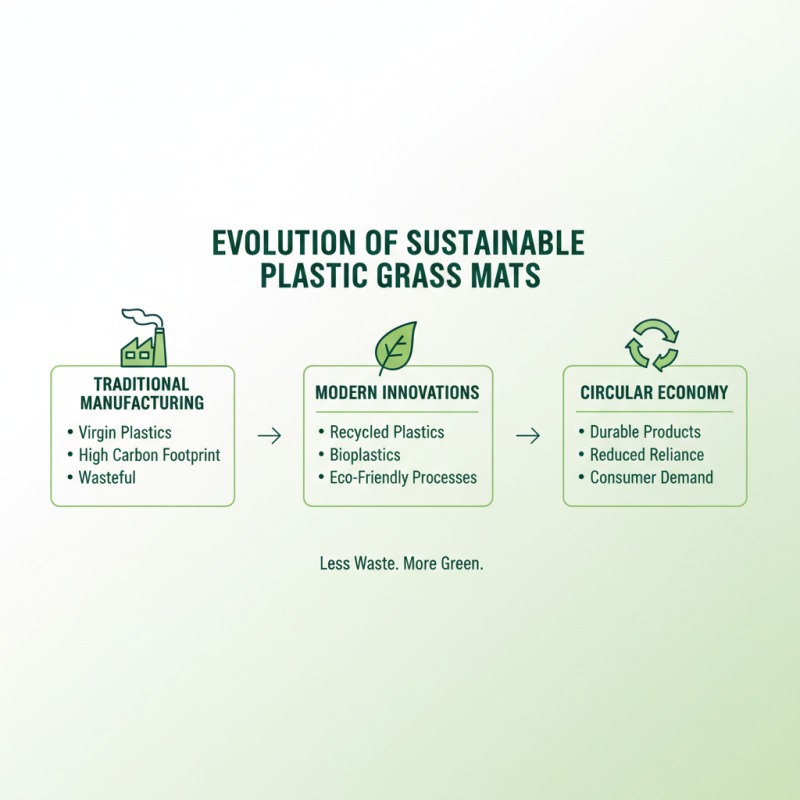
The evolution of sustainability in the manufacturing of plastic green grass mats has become increasingly significant as environmental concerns grow. Manufacturers are now focusing on eco-friendly materials and processes to minimize their carbon footprint. Innovative techniques such as using recycled plastics and bioplastics not only enhance the durability of these mats but also reduce reliance on virgin materials. This shift not only meets consumer demand for sustainable products but also aligns with broader environmental goals, fostering a more circular economy within the industry.
Moreover, the adoption of sustainable practices in production also extends to energy-efficient manufacturing methods and waste reduction strategies. By implementing cutting-edge technologies, companies can optimize their resource use, leading to lower emissions and less waste. As a result, consumers are becoming more aware of the benefits of plastic green grass mats that are produced sustainably, ranging from increased longevity to decreased environmental impact. This trend towards sustainability reflects a growing commitment from manufacturers to produce greener products, shaping a new standard in the industry and encouraging responsible consumption among users.
Future Developments and Market Trends for Plastic Green Grass Mats in 2025
As the demand for sustainable and eco-friendly solutions continues to rise, the market for plastic green grass mats is set to see significant developments in 2025. These mats, which offer an appealing alternative to natural grass, are gaining traction due to their versatility and low maintenance requirements. Unlike traditional landscaping, plastic grass mats are designed to withstand varying weather conditions without fading or degrading, making them ideal for both residential and commercial use. Their durability and aesthetic appeal make them a popular choice for a variety of applications, from sports fields to decorative home gardens.
In 2025, the focus on eco-friendliness will drive innovations in materials and production techniques for plastic green grass mats. Manufacturers are expected to leverage recycled plastics, which will not only reduce waste but also meet consumer demands for greener options. Additionally, advancements in manufacturing processes may lead to enhancements in the texture and appearance of these mats, simulating the look of real grass more convincingly. This trend aligns with the increasing consumer awareness of environmental issues and the desire for products that contribute to sustainability.
**Tips:** When considering the purchase of plastic green grass mats, assess the intended use carefully. For outdoor spaces, look for UV-resistant options to prevent fading. If using them for sports or recreational areas, ensure they are made from materials that provide adequate traction and safety. Regular cleaning and maintenance can also extend the life of these mats, maintaining their appearance and functionality for years to come.