2026 Best Commercial Kitchen Mats for Safety and Comfort?
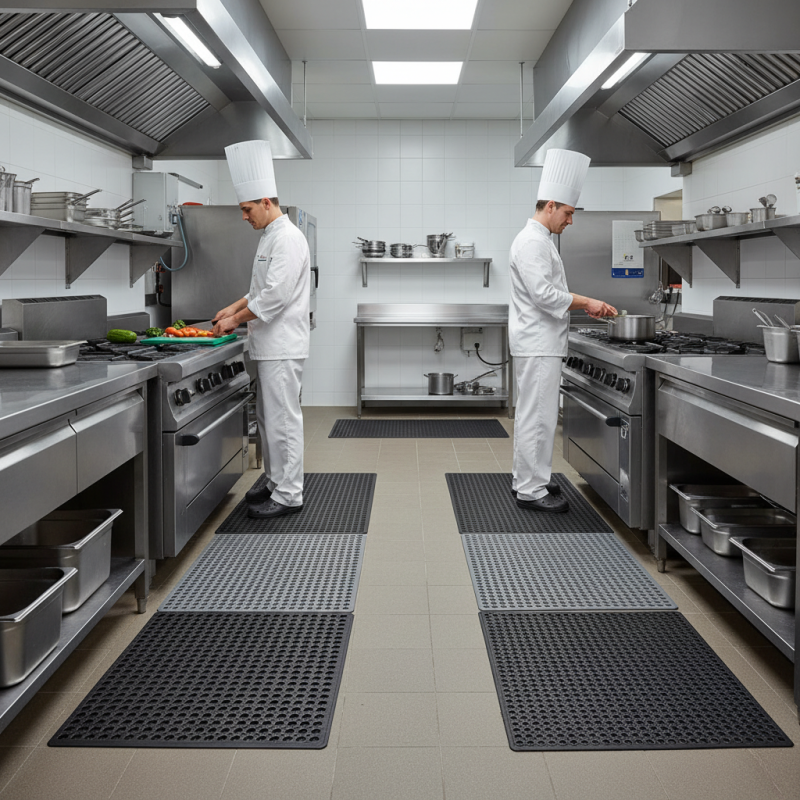
In busy commercial kitchens, safety and comfort are paramount. Workers often spend hours on their feet, which can lead to fatigue and potential injuries. The right Commercial Kitchen Mats can make a significant difference. They provide cushioning and support, reducing strain on muscles and joints.
Not all mats are created equal. Features vary widely among brands. Some mats have anti-fatigue properties, while others focus on slip resistance. Choosing the best options requires careful consideration. Many users overlook the maintenance of these mats. A dirty or worn mat can negate its benefits and become a safety hazard.
Investing in high-quality Commercial Kitchen Mats is essential for any kitchen environment. They enhance overall comfort and can boost productivity. It’s critical to assess specific needs before purchasing. Taking time to evaluate your choices can lead to a safer, more efficient kitchen.
What to Look for in Commercial Kitchen Mats for Safety and Comfort
Choosing the right commercial kitchen mats is essential for safety and comfort. The mat's material plays a crucial role. Look for options that offer good traction to prevent slips. Rubber and vinyl mats are popular choices that provide cushioning. This helps reduce fatigue for kitchen staff who spend long hours on their feet.
Another important aspect is the mat’s thickness. Thicker mats can absorb more shock, making them ideal for heavy-duty use. However, overly thick mats might create tripping hazards. It's essential to find a balance. Durability is also a factor; mats should withstand spills and wear over time. Easy maintenance is a plus, as busy kitchens require practicality.
Moreover, consider the size and layout of the kitchen. Mats should fit seamlessly into high-traffic areas. If mats are too small, they won’t provide the necessary coverage. Conversely, oversized mats can disrupt workflow. Lastly, always remember that aesthetics can also play a part, even in a kitchen environment. Choosing a mat that complements the kitchen’s design can enhance the overall atmosphere.
2026 Best Commercial Kitchen Mats for Safety and Comfort
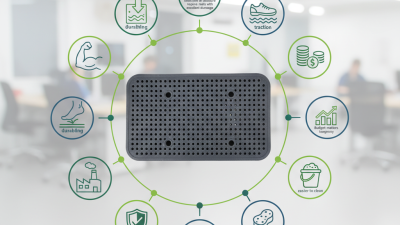
This chart displays the top features that contribute to safety and comfort in commercial kitchen mats. The data is based on user feedback and industry standards.
Types of Materials Used in Commercial Kitchen Mats
When choosing mats for commercial kitchens, material is key. The right material can enhance safety and comfort significantly. Common options include rubber, vinyl, and foam.
Rubber mats are durable and provide excellent grip. This reduces slip hazards, which account for over 30% of workplace injuries in kitchens, according to industry studies. They also resist oils and fats, making them ideal for a busy kitchen environment.
Vinyl mats are another popular choice. They are often lightweight and easy to clean. However, they may not offer the same level of cushioning as rubber alternatives. Reports suggest that long hours on hard surfaces can lead to fatigue and discomfort in employees.
Foam mats provide a softer surface, offering great support for standing long hours. Yet, they may wear out quicker and require more frequent replacement.
Ultimately, selecting the right material involves trade-offs. Some kitchens prioritize durability, while others focus on comfort. A balance must be found to ensure employee safety and well-being. It's also crucial to consider maintenance requirements. High-traffic areas need mats that can withstand heavy use. This is often overlooked, leading to increased costs down the line. Regular assessments can prevent purchasing the wrong type.
Benefits of Anti-Fatigue Mats in Kitchen Environments
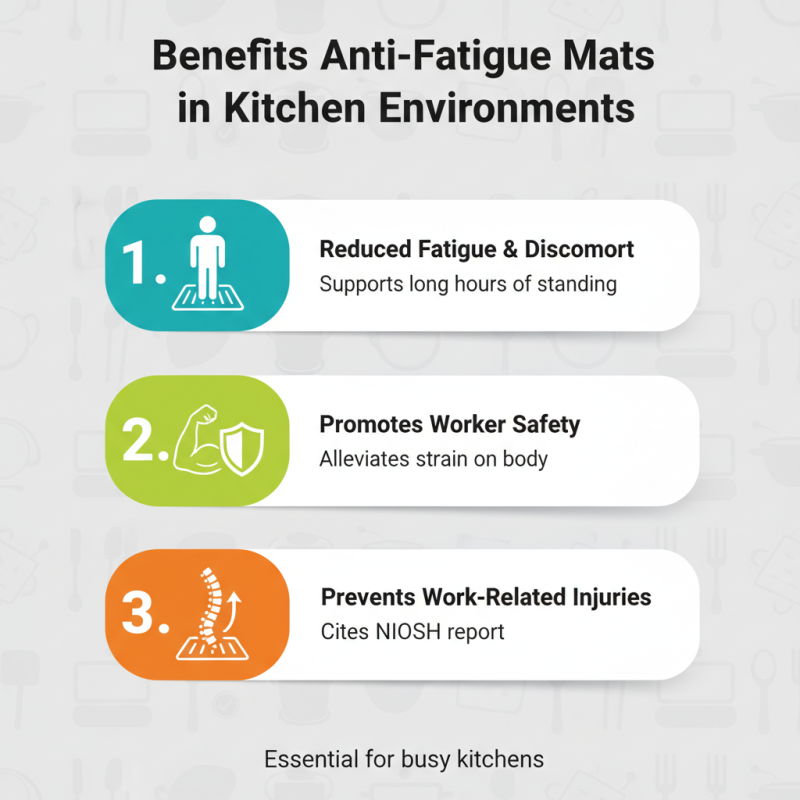
In busy kitchen environments, anti-fatigue mats serve as essential tools for promoting worker safety and comfort. Studies highlight that workers stand for long hours, leading to fatigue and discomfort. In fact, the National Institute for Occupational Safety and Health (NIOSH) reports that prolonged standing can contribute to work-related injuries. Anti-fatigue mats help alleviate these issues.
These mats provide cushioning, reducing strain on feet, legs, and back. Research indicates that wearing supportive footwear improves comfort by 70%. However, many workers still experience pain due to hard surfaces. Mats can reduce this pain significantly. They encourage slight movement, enhancing blood circulation, which is crucial in high-stress environments like kitchens.
Choosing the right mat is vital. Some mats may not provide adequate support, leading to continued discomfort. Cheaper options might wear out quickly or not offer the necessary cushioning. Workers often overlook these factors, focusing on immediate needs rather than long-term health. Investing in quality anti-fatigue mats can lead to better employee satisfaction and reduced turnover. Rethinking mat choices can make a noticeable difference in daily operations.
How to Properly Maintain and Clean Kitchen Mats
Maintaining and cleaning kitchen mats is essential for safety and hygiene in a busy commercial kitchen. Regular maintenance helps prevent slips and falls. Dirt and grease build-up can create hazardous conditions. To avoid this, a cleaning routine is crucial.
Tips: Vacuum mats daily to remove food particles. Spot clean spills promptly to prevent stains. At least once a week, wash the mats with warm, soapy water. Use a scrub brush for tougher grime. Make sure they are fully dried before placing them back.
Inspect kitchen mats regularly for tears or wear. Damaged mats can become safety hazards. A small tear can turn into a bigger issue over time. It’s also important to rotate mats in high-traffic areas. This ensures even wear and prolongs their lifespan. Keeping a consistent cleaning schedule contributes to a safer workspace.
2026 Best Commercial Kitchen Mats for Safety and Comfort - Maintenance and Cleaning Guide
| Mat Type |
Material |
Benefits |
Cleaning Method |
Price Range |
| Anti-Fatigue Mat |
PVC Foam |
Reduces fatigue, increases comfort |
Wash with soap and water |
$30 - $100 |
| Drainage Mat |
Rubber |
Provides drainage, slip-resistant |
Hose off and air dry |
$40 - $120 |
| Cushion Mat |
Gel-filled |
Maximum comfort, shock absorption |
Spot clean with mild detergent |
$50 - $150 |
| Environmentally Friendly Mat |
Recycled materials |
Sustainable option, durable |
Machine washable |
$60 - $180 |
| Safety Mat |
Nitrile rubber |
Oil and grease resistant, slip-proof |
Wipe clean with solvent |
$70 - $200 |
Top Brands and Models of Commercial Kitchen Mats for 2026
When selecting the best commercial kitchen mats for safety and comfort in 2026, a few key features stand out. These mats should be slip-resistant to reduce accidents. They should also be cushioned for prolonged standing, alleviating fatigue. Look for mats that are easy to clean and maintain, as hygiene is crucial in a kitchen environment.
Various models are available that meet these safety and comfort criteria. Some mats have raised surfaces for better traction, while others feature ergonomic designs to support the feet. Materials like rubber or vinyl can offer waterproof properties, making spills less of a concern. Having the right mat contributes significantly to employee well-being.
However, not all mats are created equal. Some might wear out quickly or lose their traction over time. It's important to consider the specific kitchen environment when choosing a mat. Will it be exposed to heavy machinery or chemicals? These factors can impact your decision. Take time to evaluate options carefully and reflect on what works best for your space.