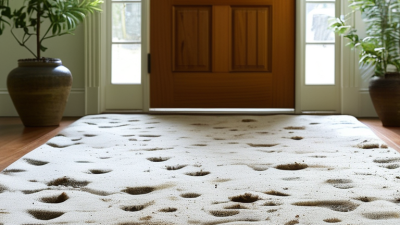

A front entrance sets the tone before anyone steps inside. It also collects rain, grit, leaves, and winter salt. That is why Layered Front Door Mats deserve more attention than a single decorative mat. A well-planned combination can make an entry feel warmer while protecting flooring from daily damage.
Flooring specialist Debbie Gartner offers a useful principle: “A mat should work hard before dirt reaches the floor.” Her advice reflects practical experience with household flooring and maintenance. The outdoor layer should scrape shoes firmly, while the inner layer should absorb moisture and catch finer particles. Coir, rubber, cotton, and recycled fibers each behave differently under wet conditions. Texture matters. So does thickness.
Small details change performance.
A door that swings inward may need a thinner arrangement. A covered porch can support softer fabrics, but exposed steps demand weather-resistant materials. Look for non-slip backing, clean edges, and a size that extends beyond the doorway. A mat that is too narrow leaves busy footpaths unprotected. An attractive choice can still fail.
That is the awkward part. Style does not guarantee durability. Some layered combinations look excellent in photographs but curl after repeated rain. Others trap moisture against wood or stone. This guide examines the Top Layered Front Door Mats for Every Entrance through those practical concerns. It considers appearance, traction, cleaning, climate, and everyday movement. The best choice will not be identical for every home. It should suit the entrance you actually use, including muddy mornings and rushed deliveries.
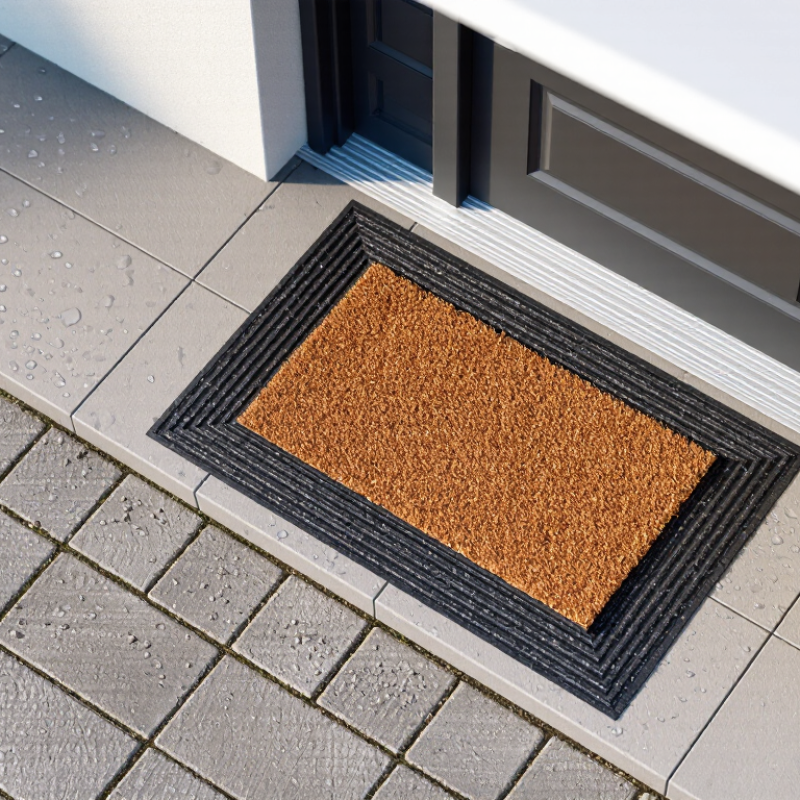
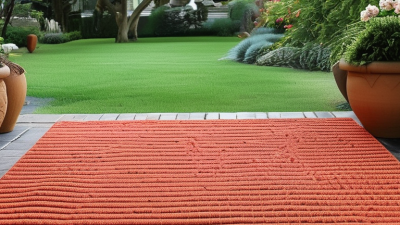
Layered front door mats work best when each layer has a clear job. A coarse coir mat can scrape soil from shoes, while a rubber-backed mat catches moisture underneath. This pairing suits farmhouse entrances, porches, and homes near gardens. Keep the outer mat under a sheltered area. Heavy rain can shorten coir’s useful life.
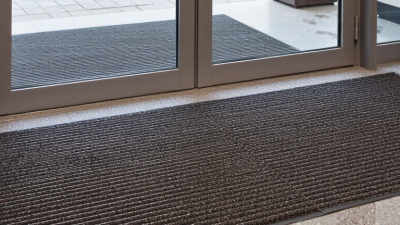
Modern entrances need a different approach. Choose a slim, tightly woven textile mat over a firm, low-profile tray. Its clean edges fit glass doors and narrow apartment halls. For wet climates, use a quick-drying top layer with raised channels. These channels guide water away from walking areas. Check the door swing carefully. Even a small height difference can cause rubbing or tripping.
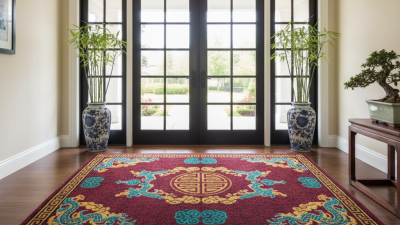
Formal entrances often benefit from a flat patterned mat over a discreet absorbent layer. The upper design adds character, while the lower mat protects stone or polished flooring. I once placed a thick mat beside a door and ignored the clearance. It looked attractive but dragged against the threshold. That mistake changed my selection method. I now measure the gap, check the backing, and test the mat when the door opens fully. Mats should stay flat, resist curling, and remain stable during daily use. However, no material performs perfectly in every season. A washable textile layer may look practical, but it needs regular drying and cleaning.
Top Layered Front Door Mats for Every Entrance
Material choice controls how well a layered entrance mat performs. The U.S. EPA reports that indoor pollutant levels can be two to five times higher than outdoor levels. A dense scraper layer helps trap grit before it enters the home. Coir, polypropylene, and recycled rubber each behave differently under moisture and traffic. Coir offers strong scraping action, but it can shed fibers when constantly wet. Polypropylene dries faster and resists fading. Rubber backing improves grip, although poor ventilation may trap moisture beneath it.
Construction matters as much as material. Look for tightly stitched edges, a low-profile surface, and a backing that stays flat. The American Society for Testing and Materials publishes slip-resistance methods, including ASTM F1637 guidance for walking surfaces. A mat cannot replace a level threshold. It should also allow a door to open without catching. For busy entrances, a two-stage setup works better: a rough outer mat removes soil, while a finer inner mat absorbs water.
Check the underside after rain.
A 2024 flooring industry outlook from Grand View Research identifies durability, maintenance, and sustainable materials as major purchasing factors. Those findings match practical use, though market reports cannot predict every household’s needs. I would question any mat advertised as fully weatherproof without drainage details. Inspect the seams, backing, and drying time after several wet days. Replace it when edges curl or the surface stops recovering.
| Mat Type | Typical Layer Construction | Primary Materials | Best Entrance Use | Key Performance Benefits | Water and Dirt Handling | Typical Profile | Maintenance | Important Considerations |
|---|---|---|---|---|---|---|---|---|
| Coir Surface with Vinyl Backing | Natural fiber face bonded to a flexible, water-resistant backing | Coconut husk fibers and vinyl or PVC backing | Covered outdoor entrances and sheltered porches | Firm scraping action, textured appearance, and good everyday wear resistance | Fibers trap dry soil; backing helps protect the floor from minor moisture transfer | Approximately 15–25 mm | Shake or vacuum regularly; keep away from standing water | Coir can shed fibers initially and may deteriorate faster when continuously exposed to rain |
| Polypropylene Carpet with Rubber Backing | Low-pile synthetic carpet bonded to a molded or coated rubber base | Solution-dyed polypropylene and natural or synthetic rubber | Indoor foyers and covered residential entrances | Color retention, stain resistance, flexible handling, and comfortable foot feel | Carpet loops capture dust and grit; backing reduces water seepage onto the floor | Approximately 8–15 mm | Vacuum or shake; spot-clean with mild detergent and allow to dry fully | Choose a low profile where the door clearance is limited |
| Needle-Punched Polypropylene | Dense, mechanically entangled synthetic fibers secured to a slip-resistant base | Polypropylene fibers with rubber, PVC, or thermoplastic backing | Busy indoor entryways and commercial-style vestibules | High abrasion resistance, effective dirt removal, and quick surface drying | Dense fibers retain dry particles while allowing some surface moisture to evaporate | Approximately 6–12 mm | Frequent vacuuming; rinse only when the backing and manufacturer instructions permit | Fiber density and edge binding are important indicators of long-term durability |
| Rubber Scraper Mat | Raised rubber blades, ribs, or patterns molded into a solid base | Natural rubber or synthetic rubber compounds | Outdoor entrances, garages, workshops, and wet climates | Strong scraping performance, excellent flexibility, and resistance to moisture | Raised patterns remove mud and debris; open channels can hold or direct water | Approximately 10–20 mm | Brush, hose, and dry completely before placing on a finished floor | Some rubber compounds may leave marks on porous floors; verify floor compatibility |
| Rubber-Backed Carpet with Drainage Holes | Textile scraping surface fixed to a perforated or channeled rubber base | Polypropylene or nylon face with rubber backing | Covered outdoor areas and entrances exposed to intermittent rain | Combines textile dirt capture with improved drainage and slip resistance | Openings let water pass below the walking surface while fibers collect soil | Approximately 10–18 mm | Lift and clean underneath; vacuum the face and rinse when appropriate | Requires a ventilated, level surface so trapped moisture does not damage flooring |
| Aluminum Scraper with Textile Inserts | Rigid aluminum profiles joined together with replaceable carpet or brush inserts | Extruded aluminum, textile strips, rubber connectors, and vinyl edging | Commercial entrances, apartment lobbies, and high-traffic vestibules | Very strong load support, modular construction, and effective multi-stage cleaning | Textile inserts trap fine particles; open profile spaces can support drainage | Approximately 12–25 mm | Vacuum or lift sections for cleaning; replace worn inserts as needed | Higher initial cost and weight; recessed installation may be needed for flush access |
| Vinyl Loop Mat | Continuous looped vinyl surface formed over a slip-resistant vinyl base | Flexible PVC or other vinyl compounds | Indoor and covered entrances with moderate traffic | Resists moisture, is easy to cut or shape, and provides a stable walking surface | Loops scrape and hold small particles; open spaces can retain limited moisture | Approximately 8–14 mm | Shake, vacuum, or hose depending on the backing design; dry before indoor use | May become less flexible in very cold conditions and can be less absorbent than textile mats |
| Microfiber Absorbent Mat | High-pile or tufted absorbent face attached to a moisture-resistant backing | Microfiber polyester or polyamide with rubber or thermoplastic backing | Indoor entrances where drying wet footwear is the priority | High liquid absorption, soft underfoot feel, and good fine-dust capture | Absorbs surface moisture rather than allowing it to drain through | Approximately 8–15 mm | Machine wash or launder only if permitted; dry completely before reuse | Not ideal for exposed outdoor locations because saturated fibers dry slowly |
| Recycled Rubber Rib Mat | Heavy molded rubber sheet with directional ribs and a textured underside | Recycled rubber granules or synthetic rubber compounds | Outdoor steps, utility entrances, and high-soil areas | Heavy-duty construction, strong traction, and resistance to repeated wetting | Ribs scrape footwear and create channels for loose water and debris | Approximately 8–16 mm | Shake, sweep, or hose; inspect the underside for accumulated grit | Heavy weight improves stability but makes frequent relocation less convenient |
| Two-Stage Entrance System | Coarse scraper layer followed by a finer textile drying and finishing layer | Rubber or aluminum scraper section combined with polypropylene or nylon textile | High-traffic homes, offices, schools, and public buildings | Separates large debris removal from fine-particle and moisture capture | First layer handles grit and mud; second layer collects finer soil and residual moisture | Approximately 15–30 mm combined | Clean each section according to its material; maintain the gap between layers | Needs adequate floor space and correct door clearance to prevent trip or door-swing problems |
Selection note: For the best result, match the mat to the entrance exposure, traffic level, available door clearance, floor type, drainage conditions, and cleaning routine.
A well-layered front door mat begins with measurement, not decoration. I measure the threshold, door swing, and clear walking space before choosing a mat. For a single door, a mat about 24 by 36 inches often fits comfortably. Wider entrances need more coverage, especially when two people walk together. Leave enough clearance. A thick mat can catch a door or curl against the frame.
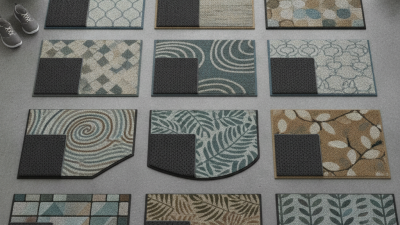
Shape should follow the entrance, but not blindly. Rectangular mats suit straight thresholds and create a stable visual line. A half-round mat softens curved steps, though its usable wiping area may be smaller. For layering, I place a durable, low-profile base mat beneath a smaller textured top mat. The lower mat should extend at least two inches beyond the upper mat on each side. This margin frames the pattern and keeps edges easier to see. In wet climates, raised textures can trap water, but deep grooves may hold grit.
I prefer absorbent fibers on top and a rubber-backed layer below. The combination works best when both mats lie flat. Check them weekly. Lift the top mat and inspect trapped leaves, sand, or dampness. I once chose a beautiful oversized mat that blocked the door swing. It looked right, yet function failed. That mistake changed my rule: test the full setup with the door moving repeatedly. Allow room for boots, packages, and a stroller without forcing feet onto bare flooring.
A layered entry system works best when each mat has a clear job. Place a coarse scraper mat outside the door. It removes grit, leaves, and damp soil before they reach the threshold. Add a low-profile absorbent mat inside. It catches remaining moisture without blocking the door swing. For covered porches, keep the outdoor mat flush and stable. Exposed entrances need fast-drying materials and deeper grooves.
The CDC reports that more than one in four adults aged 65 and older fall each year. A secure, flat mat can reduce one avoidable hazard near the doorway. The U.S. Environmental Protection Agency also notes that indoor pollutant levels can be two to five times higher than outdoor levels.
Regularly cleaning entrance mats helps limit tracked dust indoors. I have learned that placement matters more than appearance. A beautiful mat still fails when its corners curl.
Tips: Leave at least two full steps of mat length indoors. Choose a rubber-backed design for smooth tile or sealed concrete. Test the door after installation. It should open freely. Vacuum fabric mats twice weekly during wet seasons. Shake outdoor mats away from living areas. Inspect edges every few days. This small check is easy to skip. Even careful styling can need adjustment after rain, snow, or heavy foot traffic.
Top Layered Front Door Mats for Every Entrance
Layered front door mats trap grit before it reaches indoor floors. The outer mat should scrape shoes, while the inner mat absorbs moisture. I clean both mats weekly during rainy periods. Shake them outdoors, then vacuum the grooves and edges carefully. For washable fibers, use mild soap and cool water. Avoid soaking rubber-backed layers for too long. Moisture can hide underneath and create unpleasant odors.
Allow every layer to dry completely before placing it back. Check the backing each month for curling, cracks, or slippery patches. A damaged mat can become a trip hazard, especially near busy entrances. I once ignored a curled corner and regretted it after several guests nearly caught their shoes. Seasonal replacement depends on traffic, weather, and material wear. Replace a mat when scraping fibers flatten, water stops absorbing, or the backing separates. Snowy months may require tougher layers, while summer entrances often need lighter, dust-resistant surfaces.
Tips: Keep one dry replacement mat indoors. Rotate mats after storms or heavy foot traffic. Use a soft brush for packed soil. Do not place damp mats on wooden floors. Measure the doorway before buying replacements. I also check door clearance, because thick layers can prevent smooth opening. A small gap matters.
Cleaning, maintenance, and seasonal replacement guidelines based on common care practices for household entrance mats.
How to use this guide: Shake or vacuum mats regularly to remove loose grit, deep-clean washable surfaces as needed, and inspect every season for worn backing, permanent odor, curling edges, or reduced water absorption. The figures show typical recommended care frequency and may vary with traffic, weather, and household conditions.