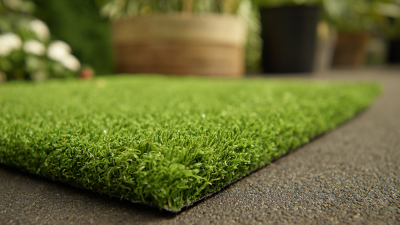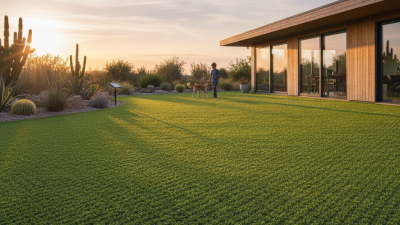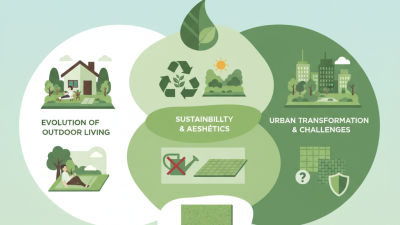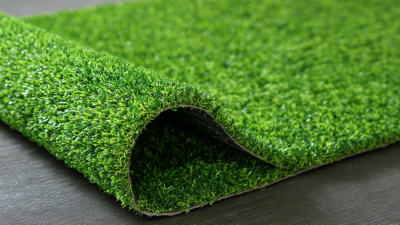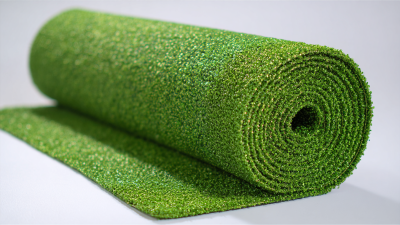

Buying a Plastic Green Grass Mat wholesale requires more than comparing unit prices. A reliable purchase begins with a clear use case, measured floor area, and realistic quality expectations. Consider garden paths, balconies, event displays, retail landscaping, or sports surroundings. Each setting needs different pile height, backing, drainage, and wear resistance.
Ask suppliers for product specifications before requesting a large quotation. Confirm roll width, length, total weight, yarn material, color stability, backing type, and edge finishing. UV resistance matters outdoors, especially under strong sunlight. Drainage holes should remain open after installation. Request physical samples, not only photographs. A sample can reveal stiff fibers, uneven color, loose stitching, or an unpleasant odor. Details matter.
Experienced importers also examine packaging and shipment planning. Check how rolls are compressed, labeled, and protected from moisture. Compare the quoted price using the same delivery terms and quantity basis. Clarify production time, sample charges, replacement policies, and inspection procedures in writing. A supplier with consistent communication and traceable company information is usually easier to manage. Still, confidence should not replace verification. A polished catalog may hide weak quality control. Small errors spread.
Before confirming the order, test the Plastic Green Grass Mat in a practical area. Walk across it, pour water over it, and inspect the backing after bending. Review applicable product, packaging, and environmental requirements in your destination market. A staged order may reduce risk, although it can increase the unit cost. Wholesale buying is not simply about finding the lowest offer. It is about balancing durability, appearance, logistics, and dependable supplier support. Mistakes happen. Careful records make them less expensive.
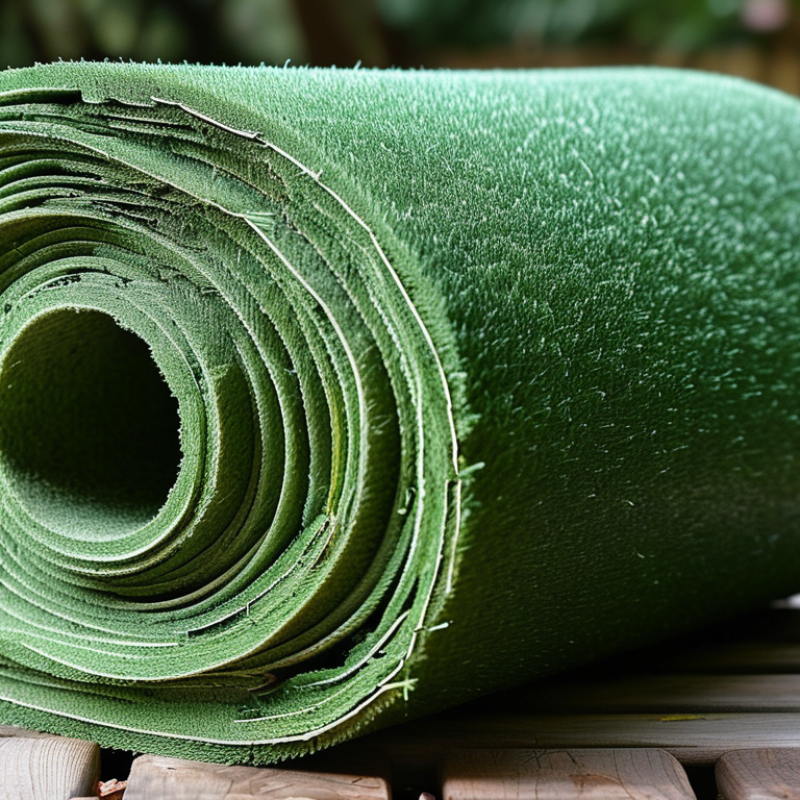
Plastic green grass mats are synthetic surfaces made from polymer fibers, backing layers, and drainage openings. They imitate turf without mowing, watering, or seasonal browning. Wholesale buyers commonly use them for balconies, exhibition floors, children’s play areas, retail displays, and temporary event decoration.
Market data supports this wider commercial use. Grand View Research reported that the global artificial turf market reached about USD 3.2 billion in 2022, with continued growth expected through 2030. Allied Market Research also forecast steady expansion for artificial grass products through 2030. These reports cover broad artificial turf categories, not only grass mats. Still, they indicate strong demand for low-maintenance synthetic greenery. The numbers are useful, but product categories are not perfectly consistent.
When buying wholesale, inspect fiber height, backing thickness, roll width, drainage speed, and odor after unpacking. A dense mat may look richer, yet it can trap water on a poorly prepared floor. Ask for sample pieces and test them under foot traffic, sunlight, and light rain. Check the product specification sheet for polymer type, color stability, slip performance, and cleaning guidance. Experienced buyers should also calculate packaging volume, because bulky rolls can change the real landed cost. I once underestimated this detail. It matters.
For larger orders, compare production tolerance rather than relying only on photographs. Small color differences can become obvious across a 500-square-meter installation. Use a written purchase specification, including acceptable dimensions and backing defects. That document improves consistency between shipments and makes quality claims easier to assess.
Defining your requirements prevents expensive mistakes when buying plastic green grass mats wholesale. Start with the application. Garden paths, balconies, exhibitions, and sports areas need different specifications. Measure the installation area carefully, including corners and waste. A practical order often includes five to ten percent extra material. Decide whether you need rolls, tiles, or custom-cut sheets. Then record the preferred width, length, color, and pile height. For a natural appearance, mixed green tones usually look better than one bright shade.
Material details matter. Ask about polypropylene or polyethylene content, backing structure, drainage holes, and edge stability. Outdoor mats should resist moisture, sunlight, and repeated foot traffic. Request technical data, product photos, and a physical sample. Check the sample under direct light. Some colors appear much brighter outdoors. Confirm roll weight, package dimensions, loading capacity, and minimum order quantity. I once overlooked backing thickness, and installation became slower than expected. That small omission affected the whole project.
Tips: Create a specification sheet before requesting quotations. Include dimensions, tolerance, pile height, backing type, color reference, packaging, and delivery schedule. Ask whether production batches may vary slightly. They can. For large orders, inspect a pre-production sample and clarify acceptable defects in writing. Do not choose only by unit price. A cheaper mat may curl, fade, or require more replacement work. Keep photos, test results, and approved samples in one file for reliable quality checks.
Reliable plastic green grass mat suppliers should prove their ability before you discuss large wholesale quantities.
I usually request a physical sample, not only catalog photos. The sample should show consistent color, firm backing, neat edges, and stable grass fibers. Check its size, thickness, weight, drainage design, and surface feel. Ask how the material performs under sunlight, rain, repeated cleaning, and heavy foot traffic. A supplier with technical knowledge should provide clear specifications and explain testing methods.
Communication also reveals reliability. Ask about monthly production capacity, quality inspection steps, packaging, lead time, and replacement procedures. Confirm whether the supplier can maintain the same color and dimensions across repeated orders. Request recent factory photos, product records, and samples from current production. Do not rely on a polished website. I have seen attractive samples hide weak backing and uneven trimming. That mistake can become expensive after installation.
A small trial order is safer than an immediate container order. Review the goods carefully when they arrive. Measure several rolls, inspect the underside, and check for odor, loose fibers, or moisture damage. Some suppliers answer quickly but avoid specific questions. That is a warning sign. Still, even a careful buyer can miss something. Keep written specifications and inspection expectations before payment. Reliable cooperation grows from evidence, not promises.
Wholesale buyers should compare landed cost, not only the unit price. Ask suppliers for prices at several volumes, such as 500, 1,000, and 5,000 mats. Record mat size, thickness, backing type, weight, and packaging in the same table. A cheaper mat may contain less plastic or have weaker backing. PlasticsEurope reported 413.8 million tonnes of global plastics production in 2023. Material consistency still matters.
Request samples before approving a large order. Check color uniformity, drainage holes, edge curling, odor, and surface recovery after compression. Ask for UV-resistance information and abrasion-test results. Outdoor mats need stable performance under sunlight and rain. I would also inspect one sample after several days outdoors. A short test is not enough. It can still reveal careless finishing.
Minimum order quantities can change the real price. A low MOQ may suit a trial, but its unit cost is often higher. Confirm whether custom sizes require a separate cutting fee. Shipping terms need equal attention. UNCTAD’s Review of Maritime Transport 2024 states that ships carry over 80% of global merchandise trade. Ask for FOB, CIF, or DDP quotations, then compare freight, insurance, duties, carton dimensions, and delivery time. Confirm pallet limits and damage procedures in writing. One overlooked charge can erase the promised saving.
A wholesale purchase should begin with physical samples, not catalogue images. I request three mat samples from different production batches. Their green shades can vary under daylight, warehouse lighting, and camera flash. Place each sample beside a neutral white card. Check blade density, backing thickness, drainage holes, and edge stability. Rub the surface with a gloved hand. Loose fibers reveal weak tufting quickly.
Market evidence supports careful sourcing. Grand View Research valued the global artificial turf market at approximately USD 3.2 billion in 2023. Its report forecasts continued growth through 2030. That expansion increases supplier choices, but it also increases quality variation. I measure pile height with a ruler and record the result. A digital scale can compare sample weight per square meter. Ask for test records covering color fastness, tensile strength, and drainage performance. Do not accept vague phrases like “premium quality.”
Small details matter. Request a pre-shipment sample matching the approved piece. Confirm roll width, length tolerance, packaging, production time, and replacement terms in writing. Photograph the sample beside the purchase specification. I once overlooked a slightly curled backing edge. It later complicated installation. That mistake still matters. Before payment, calculate usable coverage, not only roll size. Include cutting waste, shipping damage, and storage space. A signed specification sheet protects both sides and makes the final wholesale decision more reliable.
Before placing a wholesale order, compare samples against the key factors that affect product performance and total purchasing cost. The evaluation emphasizes pile appearance, backing strength, drainage, color consistency, packaging, and landed cost. A higher score indicates stronger sample performance and lower purchasing risk.