How to Choose the Best Natural Rubber Bath Mat for Safety?
Choosing the best Natural Rubber Bath Mat is crucial for bathroom safety. According to Dr. Sarah Linton, a renowned safety expert, "A quality rubber mat can prevent dangerous slips." Many consumers often overlook this vital aspect.
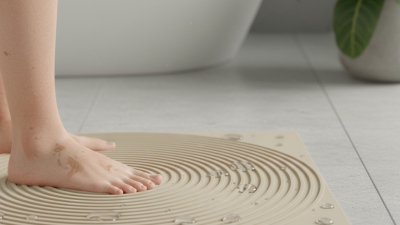
Natural Rubber Bath Mats provide excellent grip compared to synthetic options. Their eco-friendly nature is a bonus. However, not all mats are created equal. You may find some mats lack proper drainage. This can lead to trapped water, becoming a slip hazard.
When selecting a mat, consider texture and size. A larger mat offers more coverage. Yet, some may prefer a smaller, easier-to-clean design. Evaluate your bathroom space carefully. Ignoring such details might lead to a less safe environment. A thoughtful choice is truly essential.
Understanding the Benefits of Natural Rubber Bath Mats for Safety
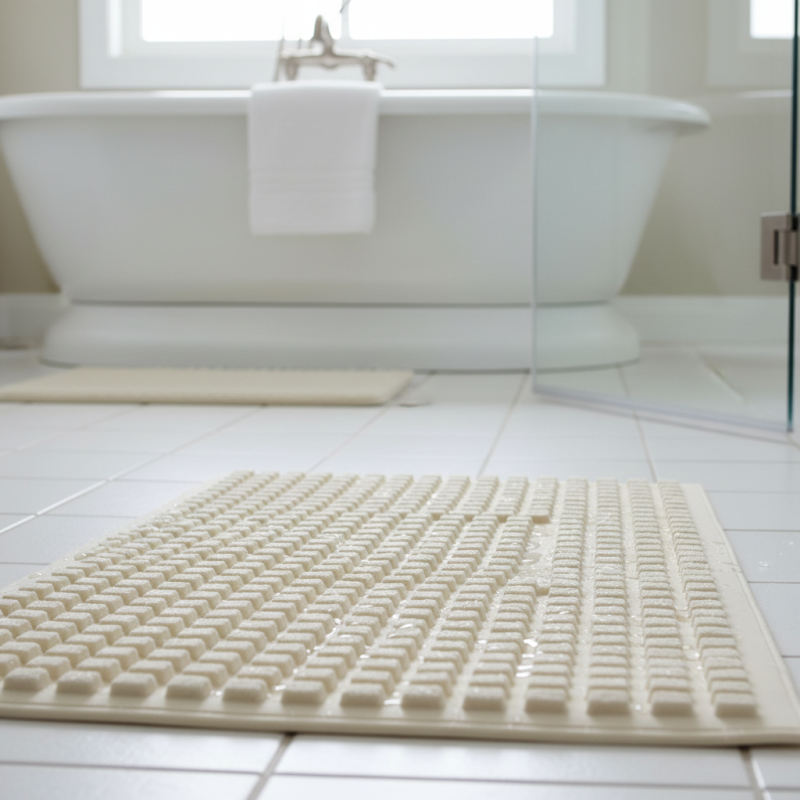
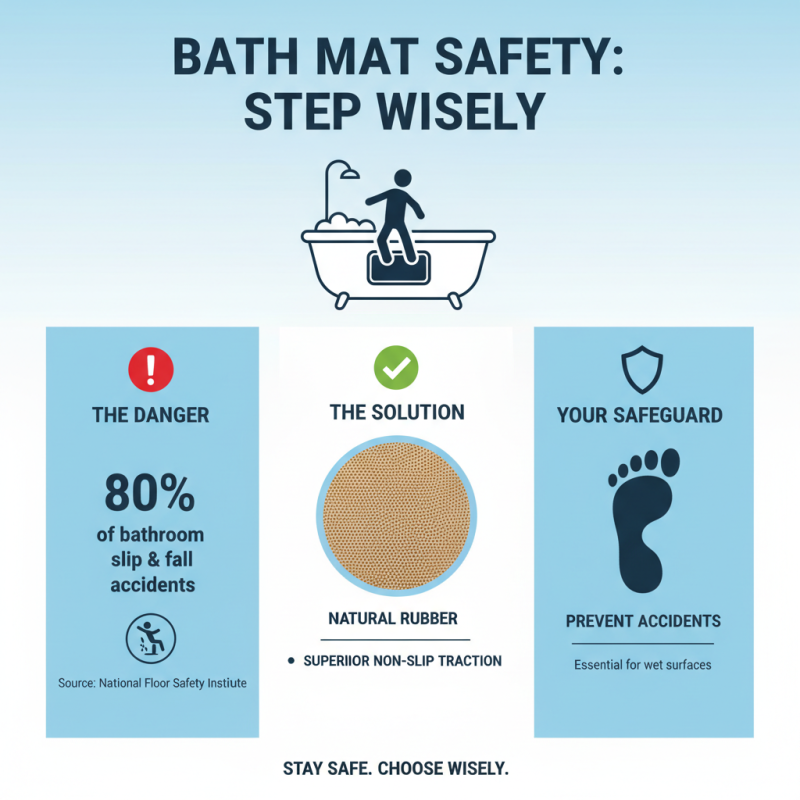
Natural rubber bath mats are becoming popular for enhancing bathroom safety. They provide a non-slip surface to prevent slips and falls. This is especially important in wet environments where accidents can easily happen. The natural material also offers a soft feel underfoot, making baths more comfortable.
Unlike synthetic mats, natural rubber is biodegradable. This fact appeals to eco-conscious consumers who want to make sustainable choices. These mats also resist mold and mildew, which is vital for hygiene. However, some might find that natural rubber can wear out faster than synthetic options. Regular cleaning is necessary to maintain their quality and appearance.
Choosing the right natural rubber bath mat involves considering thickness and texture. Thicker mats offer more cushioning but may not fit under every bathroom door. A textured surface can enhance grip but might cause discomfort for bare feet. It's crucial to weigh these factors before making a decision. The right mat can significantly improve safety and comfort in your bathroom.
Key Features to Look for in a Safe Natural Rubber Bath Mat
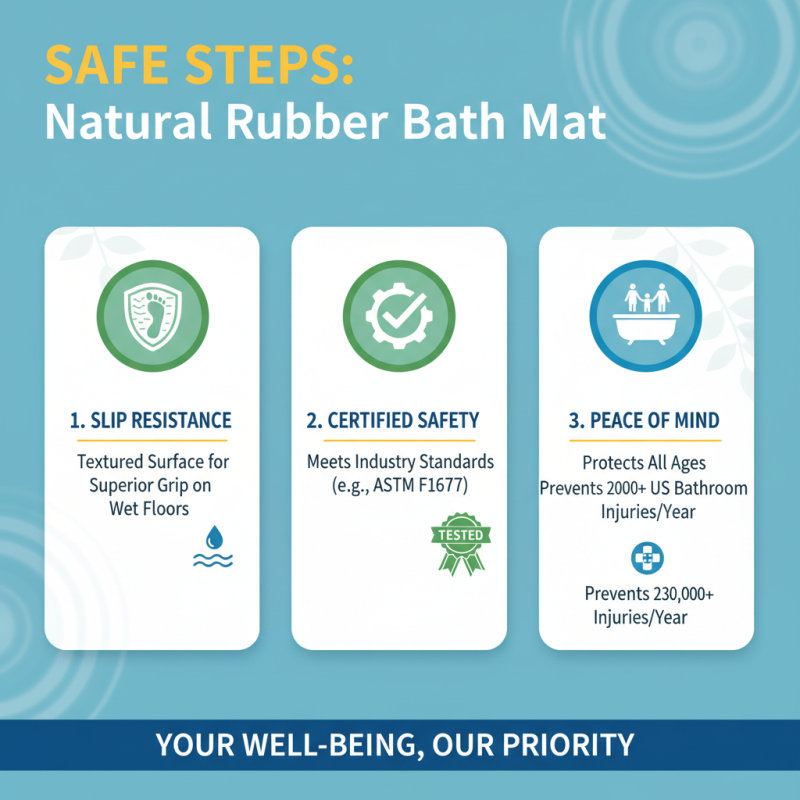
When choosing a natural rubber bath mat, safety is the top priority. Key features can make a significant difference. One essential aspect is slip resistance. According to a report by the National Safety Council, over 230,000 bathroom injuries occur annually in the U.S. alone. A mat with a textured surface can provide better grip on wet floors. Look for mats that have undergone slip-resistance testing, ensuring they meet industry standards.
Another critical feature is water absorption. A good natural rubber bath mat should be able to soak up water effectively. This helps to prevent water pooling, which can lead to slips. Research indicates that mats with an absorbent core can reduce the risk of accidents by up to 50%. Check for mats that promote airflow, allowing them to dry quickly.
Consider the size and placement of the mat as well. A mat that is too small may not provide adequate coverage. On the contrary, a mat that is too large might become tripping hazard. Many users overlook this aspect. An ideal mat should extend beyond the edges of the bathtub or shower space. This additional coverage enhances safety and comfort. While many products claim to be safe, individual analysis and attention to detail are essential for true safety in your bathroom.
Maintenance Tips for Ensuring Safety and Longevity of Bath Mats
When selecting a natural rubber bath mat, maintenance is crucial for safety and longevity. According to a study by the National Safety Council, nearly 230,000 bathroom-related injuries occur annually in the U.S. Many stem from slippery surfaces. Proper care can help prevent accidents caused by worn-out mats.
Regular cleaning is important. Soap scum and mold can accumulate on bath mats, reducing their effectiveness. Wash mats weekly in warm, soapy water. Most natural rubber mats can be machine washed. Ensure they dry completely to avoid mildew growth. Inspect for wear or damage regularly. Small tears can compromise safety. Replace the mat if it no longer grips the floor well.
The lifespan of a rubber bath mat varies. Typically, they last 1-2 years. However, daily use can lead to faster degradation. According to a report from the Home Safety Association, users should not overlook worn mats. They can become a slip hazard. Evaluating the condition of the mat periodically is a good practice. This simple act can save you from serious injury.
Safety Features of Natural Rubber Bath Mats
Comparing Natural Rubber with Other Bath Mat Materials for Safety
When choosing a bath mat, safety is crucial.
Natural rubber bath mats provide excellent grip on wet surfaces. This reduces the risk of slipping, unlike mats made from synthetic materials. Synthetic mats may feel soft, but they often lack the traction needed in the bathroom. Consider how often your mat will be wet. If it frequently encounters moisture, natural rubber is a better option.
Another aspect to consider is durability. Natural rubber can withstand high humidity and wear over time. This longevity can save you money in the long run. However, it is essential to clean and maintain natural rubber mats properly. Neglecting care can lead to mold growth. On the other hand, synthetic mats might degrade faster, requiring replacement more frequently.
Lastly, think about environmental impact. Natural rubber is biodegradable and more eco-friendly. Synthetic materials often contribute to landfill waste. But, natural rubber mats can have a smell at first. This may deter some users. Each material has its pros and cons. The key is to weigh your options carefully.