How to Choose the Best Ribbed Outdoor Door Mat for Your Home?
When choosing a ribbed outdoor door mat, consider the balance of functionality and style. A ribbed outdoor door mat serves not only as a decorative piece but also as a practical solution for keeping your home clean. Its textured surface traps dirt and moisture, preventing debris from entering your home.
Look for materials that can withstand various weather conditions. Rubber, coir, and vinyl are popular options for their durability and ease of maintenance. The right ribbed outdoor door mat can enhance your entryway while also offering longevity. However, not all mats are created equal. Some may fade or wear quickly, compromising their effectiveness and appeal.
Evaluate how the mat complements your home’s exterior. Choose a color and design that aligns with your style. Don't rush this decision. Finding the perfect ribbed outdoor door mat may take time. In the end, investing in quality can save you from frequent replacements and upkeep. Prioritize reliability, and ensure that your mat remains functional for years to come.
Understanding the Benefits of Ribbed Outdoor Door Mats
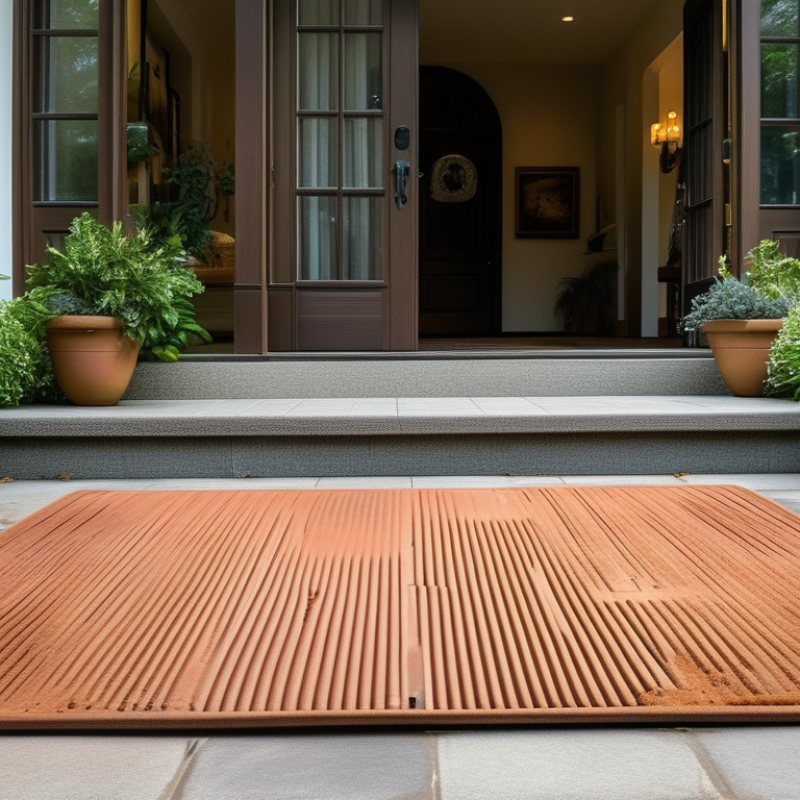
Ribbed outdoor door mats offer several advantages that enhance both functionality and aesthetic appeal. Designed to trap dirt and moisture, they help in keeping your entryway tidy. According to a recent industry report, mats with ribbed surfaces can reduce dirt transfer into homes by up to 70%. This feature is essential for homes in high-traffic areas, where the constant footfall can lead to increased dirt accumulation.
These mats are particularly effective in various weather conditions. Their textured surface aids in gripping shoes, preventing slips on wet surfaces. Moreover, ribbed mats are often made from durable, weather-resistant materials that withstand harsh elements. Research indicates that 80% of homeowners prioritize water and mud retention when choosing a door mat, reflecting a growing awareness about cleanliness and safety.
To ensure you choose the best ribbed mat, consider the size of your doorway. A mat that is too small may not adequately capture debris. Additionally, think about the color and design that complement your home’s exterior. Darker colors may hide stains better than lighter colors, but they can also show dust. Pay attention to the material and thickness as well; thicker mats often provide better functionality while being more challenging to clean.
Key Features to Look for in Ribbed Outdoor Door Mats
Choosing the right ribbed outdoor door mat involves several important features. First, consider the material. Durable materials like rubber or coir offer excellent weather resistance. According to industry reports, mats made from natural fibers can effectively trap dirt and moisture, reducing indoor cleaning needs by up to 30%. This simple choice significantly impacts both home cleanliness and maintenance efforts.
Look closely at the mat's size and thickness. A thicker mat can absorb more water and dirt, acting as a barrier between the outdoors and your home. Industry standards suggest a minimum thickness of 1 inch for effective moisture management. Additionally, consider the ribbed pattern. Deep ribs enhance traction, preventing slipping when entering or exiting your home. Many users overlook the importance of traction, leading to safety hazards.
Weight also matters. Lightweight mats can shift or bunch up, while heavier mats tend to stay in place, especially during harsh weather. A study found that 40% of consumer complaints stem from mats not staying put. Addressing these attributes ensures you select a mat that complements your home and withstands the test of time.
Material Choices: Comparing Rubber, Coir, and Synthetic Options
Choosing the right material for ribbed outdoor door mats is essential for functionality and aesthetics. Rubber, coir, and synthetic options each have unique benefits. Rubber mats are durable and waterproof. They withstand harsh weather conditions well. According to a recent study, rubber mats can last up to five years longer than other materials under heavy foot traffic.
Coir is a natural fiber made from coconut husks. It is eco-friendly and provides excellent scraping ability. This type of mat can trap dirt effectively. However, coir mats can absorb moisture, potentially leading to mold growth. Research indicates that coir may fade quicker than synthetic models when exposed to direct sunlight for extended periods.
Synthetic mats offer a balance between durability and style. They are typically lightweight and come in various designs. Many synthetic options are also easy to clean. However, lower-quality synthetic mats might not be as effective in trapping dirt. Consumers should also consider that some materials may have environmental impacts during production. Selecting the right option requires weighing these factors carefully.
Sizing and Placement Considerations for Your Front Door Mat
Choosing the right ribbed outdoor door mat involves careful consideration of sizing and placement. A door mat should fit the space at your entryway without overwhelming it. According to the American Home Improvement Research Institute, a mat should cover at least 80% of the entryway space. This helps prevent dirt from being tracked indoors. Measure your door width and allow for a few extra inches on each side.
For placement, consider how the mat sits relative to the door. Ideally, the mat should be positioned where it can effectively catch dirt, especially during wet seasons. The height of the door mat from the ground is vital too. Industry standards suggest a mat height of about 1/2 inch, ensuring that it doesn't obstruct the opening of the door. Ensure that the mat complements the style of your entryway while maintaining functionality.
One often overlooked factor is the texture of the mat. Smooth mats can slide, while ribbed ones offer traction. Choosing a design that matches your aesthetics and secures your guests' footing is crucial. In addition, keep in mind that mat maintenance is vital. Regular cleaning extends the life of the mat and keeps your entryway fresh. Aim for a balance between style and practicality, as this will enhance your home's first impression.
Maintenance Tips for Prolonging the Life of Your Door Mat
Maintaining a ribbed outdoor door mat is essential for its longevity and effectiveness. Regular cleaning helps remove dirt and debris, which can wear out the fibers over time. Studies indicate that mats which are cleaned at least once a week experience a lifespan increase of up to 30%. You can gently shake the mat or use a vacuum to eliminate loose particles.
In addition to routine cleaning, it’s crucial to periodically wash your door mat, depending on the material. For rubber mats, a mild soap solution works well. For synthetic fibers, a deep clean every few months can prevent mold and mildew buildup. A survey by the CleanMat Institute reveals that mats cleaned properly can last more than five years, while neglected mats often need replacing within two.
Consider the placement of your door mat as well. Avoid areas where it can be overly exposed to harsh weather. The elements can fade colors or degrade material faster. Ensuring your door mat remains dry and free of excess moisture can also significantly prolong its life. Inconsistent care can lead to premature wear, highlighting the need for a thoughtful maintenance routine.
How to Choose the Best Ribbed Outdoor Door Mat for Your Home? - Maintenance Tips for Prolonging the Life of Your Door Mat
| Feature |
Importance |
Maintenance Tip |
| Material |
Durability & Weather Resistance |
Clean regularly to prevent mold and dirt buildup. |
| Size |
Fit for Entrance Space |
Measure the door frame before purchasing. |
| Thickness |
Effective Dirt Trapping |
Avoid thick mats for low clearance doors. |
| Design |
Complement Home Aesthetics |
Choose colors and patterns that match your entryway. |
| Grip |
Safety and Stability |
Check the underside for non-slip features. |