How to Choose the Best Heavy Duty Outdoor Mat for Your Needs?
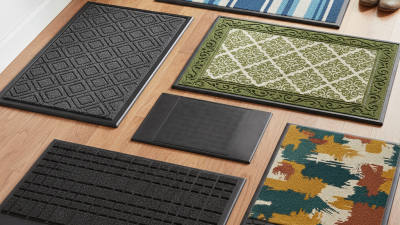
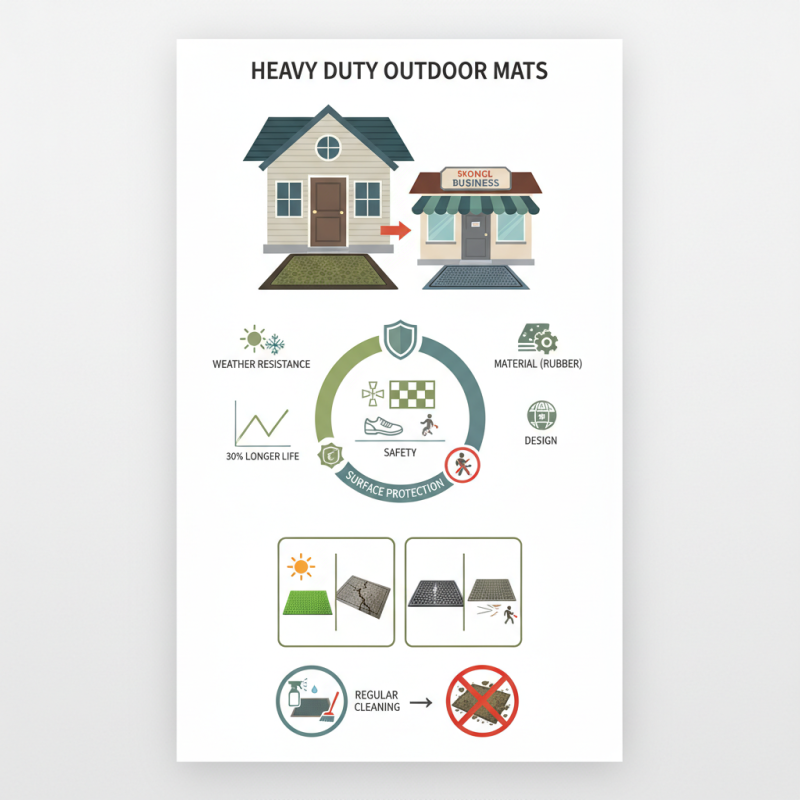
Choosing the right Heavy Duty Outdoor Mat can significantly impact your outdoor space. According to a report by the Outdoor Mat Association, selecting mats that withstand harsh weather conditions can extend their life by up to 30%. This is crucial for homes and businesses alike. Industry expert Jane Thompson emphasizes, “A quality outdoor mat protects surfaces and provides safety for high-traffic areas.”
When considering a Heavy Duty Outdoor Mat, various factors come into play. Material durability, traction, and design are essential. For example, rubber mats offer excellent grip and longevity. However, not all mats accommodate different climates effectively. Some may fade in sunlight, while others may crack in cold weather.
Reflecting on these aspects helps in making an informed decision. Investing in a suitable mat can prevent accidents and maintain the aesthetics of your space. But be aware that even the best options need regular cleaning. A neglected mat can become a slip hazard, diminishing its benefits.
Factors to Consider When Selecting a Heavy Duty Outdoor Mat
Choosing the right heavy-duty outdoor mat can be challenging. There are various factors to consider. Think about the mat’s material first. Options like rubber or polypropylene provide durability and weather resistance. If you live in an area with harsh elements, select a mat that won’t degrade quickly.
Next, consider the size. A mat that fits well at your entrance is crucial. Too small means dirt will escape. Too large may make your space feel cramped. Along with size, examine the mat's texture. A textured surface can enhance grip and prevent slipping. Look for features that trap dirt and moisture effectively.
Lastly, think about aesthetics. Choose a design that complements your outdoor decor. Colorful patterns can brighten your entrance, but they might fade over time. Sometimes, it's hard to balance function with look. Remember that what works best for one may not be right for another. Reflect on your personal needs before making a decision.
Heavy Duty Outdoor Mats: Factors to Consider
Types of Heavy Duty Outdoor Mats and Their Uses
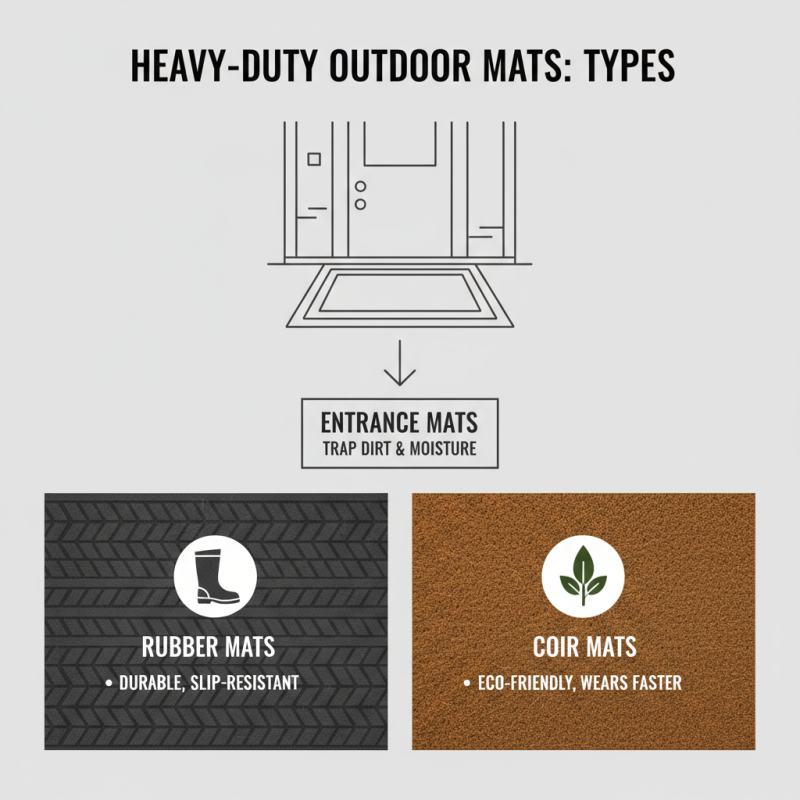
When selecting heavy-duty outdoor mats, understanding the types available is crucial. Entrance mats are common. They trap dirt and moisture, keeping your floors clean. They come in various materials. Rubber and coir are popular choices. Rubber mats are durable and slip-resistant. Coir mats are eco-friendly but may wear faster.
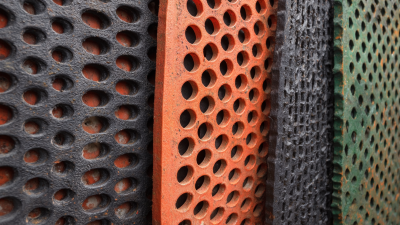
Another type is utility mats. These mats are versatile and can handle heavy foot traffic. They are thick and robust, ideal for busy areas. Many utility mats resist stains and odors. Some designs even feature drainage holes, helping with water pooling. They are useful for workshops or outdoor events.
Finally, there are custom mats. Tailored to fit specific spaces, they can be designed with logos or special sizes. They create a professional look. However, they can be pricey. Choosing the right mat involves considering usage frequency and location. It's easy to overlook these factors. Reflecting on your needs can lead to better choices.
Material Options for Durability and Maintenance
When selecting a heavy-duty outdoor mat, durability is paramount. Materials significantly affect performance. Heavy-duty mats often utilize rubber, PVC, or coir fibers. Rubber mats are resilient and weather-resistant. According to a report by the Floor Covering Industry, rubber mats can withstand temperatures between -40°F and 130°F, making them suitable for various climates.
On the other hand, PVC mats are lightweight yet strong. They are known for their easy maintenance. Some studies indicate that PVC mats can last up to five years with proper care. Coir mats, made from coconut fibers, are biodegradable. They offer a rustic look and natural absorption. However, they can wear out quickly in harsh weather. It's essential to weigh the pros and cons of each material.
User preferences also play a role. Aesthetic appeal can’t be ignored, yet performance is crucial. Often, what looks good might not last long. Balancing style and function requires careful consideration. Look for mats that fit your environmental conditions. They should handle heavy foot traffic and provide traction. The right choice can enhance safety and comfort.
Sizing and Dimensions for Optimal Fit and Functionality
Choosing the right size for a heavy-duty outdoor mat is essential for functionality. Consider the area where you will place the mat. Measure the dimensions accurately. A mat that is too small can look awkward. A too-large mat may cause tripping hazards. Finding that sweet spot can be challenging.
Think about the layout of the space. A longer mat may better suit a wide entryway, while a square shape can fit snugly on a porch. Balance aesthetics with practicality. Pay attention to the thickness of the mat too. Thicker mats often provide more protection and durability. However, they may become heavy and hard to move.
Reflect on your needs. Do you have heavy foot traffic? A larger mat can collect more dirt and debris. However, it may also take up more room in storage or when cleaning. Evaluate your choices carefully. Opting for the right dimensions can enhance both comfort and appearance. A little trial and error is okay. Sometimes, it takes a few tries to get it just right.
How to Choose the Best Heavy Duty Outdoor Mat for Your Needs?
| Mat Type |
Dimensions (inches) |
Material |
Slip Resistance |
Ideal Use |
| Rubber Mat |
36 x 24 |
Natural Rubber |
High |
Entryway, Patio |
| Coir Mat |
30 x 18 |
Coir Fiber |
Medium |
Entryway |
| Vinyl Mat |
48 x 24 |
Vinyl |
High |
Garage, Workshop |
| Grass Mat |
36 x 60 |
Synthetic Grass |
Low |
Patio, Garden |
| Heavy Duty Carpet Mat |
60 x 36 |
Polyester |
Medium |
Entryway, Indoor/Outdoor |
Budget Considerations for Purchasing Heavy Duty Outdoor Mats
When selecting a heavy-duty outdoor mat, budget is a crucial factor. It’s important to allocate a reasonable amount for this purchase. High-quality mats often come with a higher price tag, but they usually offer better durability and performance. However, overspending can lead to buyer’s remorse, especially if the mat doesn’t meet your needs. Compare prices across various retailers to find what fits your budget.
Consider what features are essential. For instance, a thicker mat may cost more but can endure harsher weather conditions. Smaller, basic mats are generally cheaper but might wear out quicker. Additionally, some mats are designed for specific purposes, like heavy foot traffic or absorbing water. If you don’t choose the right mat for your environment, it may not last long. Determine your priorities before making a final decision.
Keep in mind that buying too cheap could lead to frequent replacements. This can be more expensive in the long run. Reflect on what you truly need in an outdoor mat. Sometimes, spending a bit more initially can save you money later. Investing wisely in a heavy-duty outdoor mat ensures functionality and longevity.