10 Essential Tips for Choosing the Right Large Rubber Safety Mat
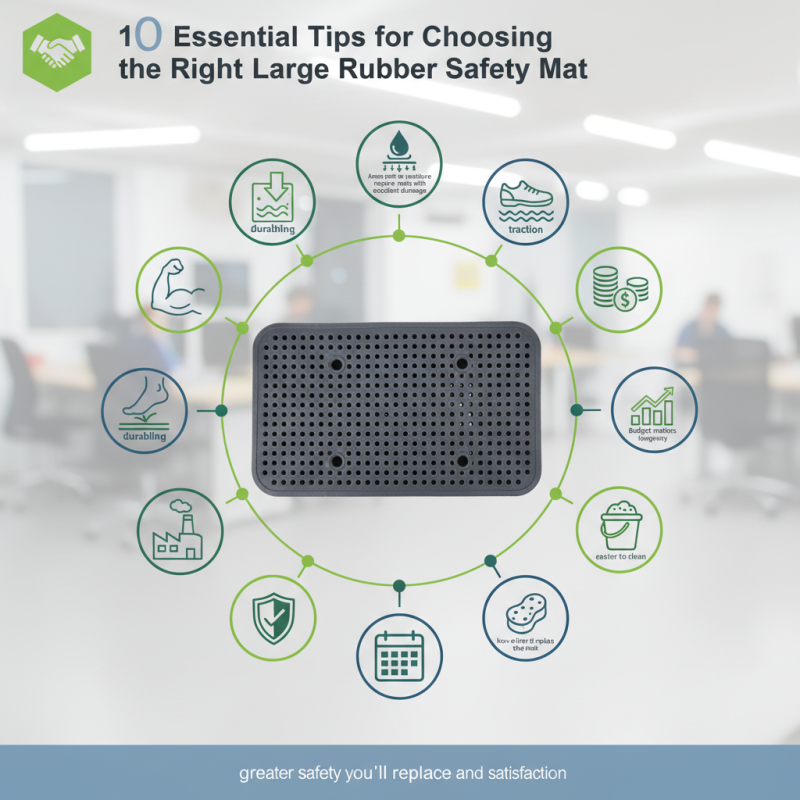
Choosing the right Large Rubber Safety Mat can significantly enhance safety in various environments. The right mat provides traction, cushioning, and durability. It's essential for both homes and workplaces.
Consider where the mat will be used. For instance, areas prone to moisture require mats with excellent drainage. Also, think about the surface texture. A non-slip surface minimizes accidents and injuries.
Budget matters as well. High-quality mats may cost more upfront but can save money in the long run. Think about longevity and maintenance. Some mats are easier to clean than others. Reflect on how often you’ll replace the mat. Investing wisely can lead to greater safety and satisfaction.
Factors to Consider When Selecting a Large Rubber Safety Mat
When selecting a large rubber safety mat, several essential factors must be considered. One key aspect is the mat's thickness. According to a report by the National Floor Safety Institute, thicker mats provide better shock absorption and can reduce the risk of injury by up to 50%. Many users overlook this, opting for a thinner mat that may not offer adequate protection.
Another important factor is the slip resistance of the mat. The Americans with Disabilities Act recommends a coefficient of friction of 0.5 or higher for safety mats in public spaces. However, some products may fail to meet these standards. Choosing a mat with proper certification can significantly enhance safety and compliance. Additionally, consider the mat's weight and design. A lightweight mat may shift easily, diminishing its effectiveness.
Durability is another point to reflect on. Many users expect their mats to last without realizing environmental conditions impact longevity. Exposure to sunlight, moisture, and heavy foot traffic can reduce the lifespan of a mat. Research by the Flooring Industry Council indicates that investing in a quality mat can decrease replacement costs by 30% over time. Understanding these factors is crucial for making an informed decision.
10 Essential Tips for Choosing the Right Large Rubber Safety Mat
| Factor |
Details |
| Material Quality |
Look for high-quality, durable rubber that can withstand heavy use. |
| Size Options |
Consider various sizes to fit your specific area effectively. |
| Thickness |
Select a thickness that provides adequate cushioning and support. |
| Slip Resistance |
Ensure the mat has a non-slip surface to prevent accidents. |
| Ease of Cleaning |
Choose mats that are easy to clean and maintain for hygiene purposes. |
| Environmental Resistance |
Opt for mats that are resistant to UV rays, chemicals, and weather conditions. |
| Customization |
Check if the mat can be customized for specific needs or branding. |
| Cost |
Evaluate the cost versus the quality and features provided. |
| Warranty |
Look for products that come with a warranty for added peace of mind. |
Choosing the Right Material for Your Rubber Safety Mat
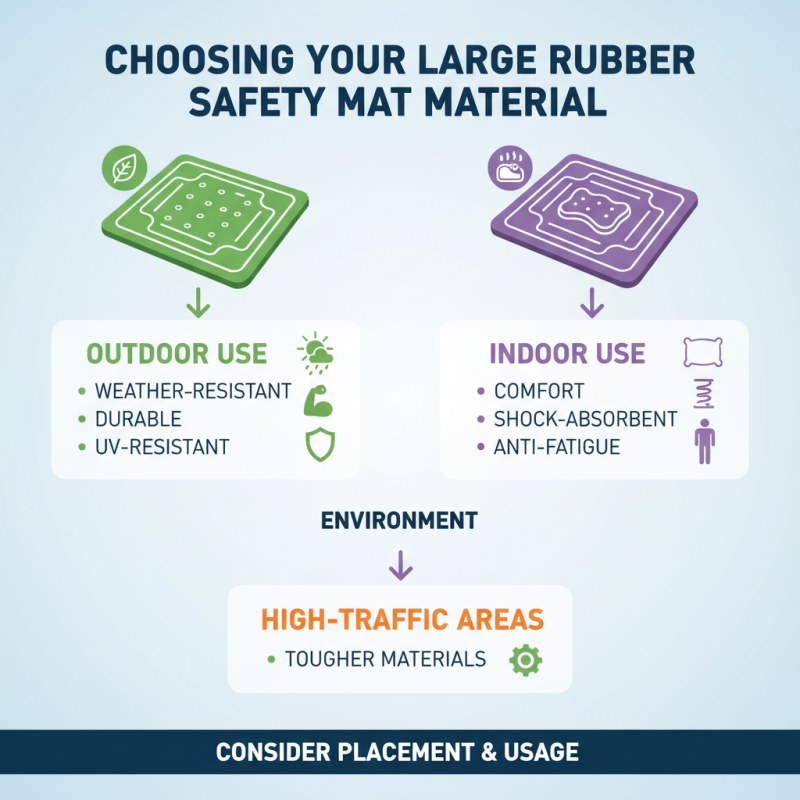
When choosing the right material for your large rubber safety mat, consider the environment it will be used in. Different settings require different materials. For outdoor use, durable and weather-resistant options are essential. Indoor mats might focus on providing comfort and shock absorption. Think about where the mat will be placed. High-traffic areas need tougher materials.
There are various types of rubber compounds. Natural rubber offers excellent grip but may wear out faster. Synthetic options, on the other hand, can withstand harsh conditions. Also, explore textured surfaces. These can provide better traction. A smooth surface might look good, but it could be slippery when wet.
Reflect on your specific needs. Assess the frequency of use and the nature of activities on the mat. Consider safety ratings, too. A small oversight can lead to accidents. Don't rush through your decision. Take time to research and weigh your options carefully. Every detail matters in choosing the right material.
Evaluating the Size and Thickness of Safety Mats
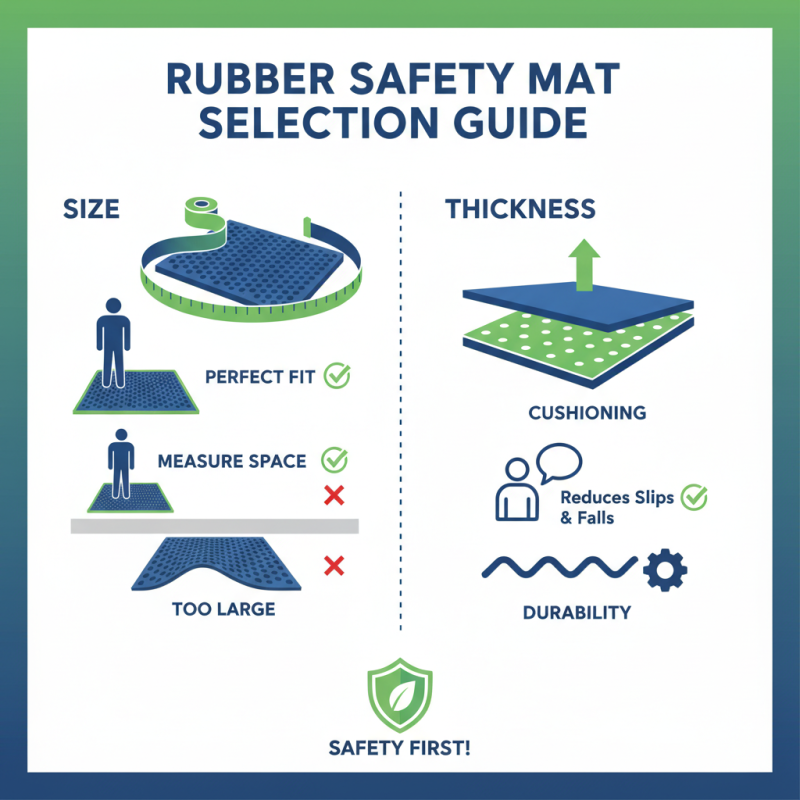
When selecting a large rubber safety mat, evaluating its size and thickness is crucial. The right dimensions ensure that the mat covers the area effectively, reducing slips and falls. Measure the space where you plan to place the mat. A mat that is too small may leave exposed areas, while one that is excessively large can create trip hazards. Remember, a perfect fit is essential.
Thickness also plays a significant role in safety. A thicker mat typically offers more cushioning and protection. It can absorb impacts, making it ideal for high-traffic areas. However, overly thick mats might present challenges when it comes to stability. Balance is important. The mat should provide comfort without compromising safety.
Consider these tips during your selection process. Choose a size that fits your needs. Assess the thickness based on the activities occurring on the mat. Look for mats that not only meet safety standards but also fit the environment where they will be used. Always reflect on your choices. Are they truly providing the protection needed?
Importance of Textured Surfaces for Traction and Safety
When selecting a large rubber safety mat, textured surfaces play a crucial role in enhancing traction and safety. According to the National Floor Safety Institute, slips and falls account for over 8 million hospital emergency visits each year. A well-textured surface can significantly reduce the risk of these accidents. Texturing increases the surface area of the mat, creating more grip against footwear. This is particularly important in areas like kitchens, gyms, and industrial settings, where spills and moisture are common.
In a recent study, it was found that mats with a textured finish had a 50% lower slip rate compared to smooth surfaces. This is vital in maintaining safety standards. The raised patterns on a rubber mat can help channel liquids away, enhancing the mat's overall effectiveness. However, not all textures provide the same level of traction. Some patterns may wear down quickly or become ineffective over time. It’s crucial to consider the environment when choosing the type of texture.
Many people overlook the maintenance required to keep textured surfaces effective. Dirt and grime can accumulate in the grooves, reducing their grip. Regular cleaning is essential to preserve the mat’s properties. A well-maintained textured mat can last for years, but neglect can lead to slipping hazards. Understanding these factors can help in making an informed decision.
Traction Levels of Different Textured Surface Materials
Understanding Maintenance and Cleaning Requirements for Rubber Mats
Rubber mats are increasingly popular in various environments. They provide safety and comfort. However, maintaining these mats is crucial for their longevity and effectiveness. A study by the National Safety Council found that slip-resistant surfaces can reduce accidents by up to 85%. This means regular cleaning is essential.
Cleaning rubber mats requires specific techniques. A simple mixture of soap and water usually suffices. However, deep cleaning methods may be needed for heavy dirt or stains. High-pressure washing can be effective, but caution is necessary. Over time, heavy equipment can damage the mat's surface, leading to wear. According to industry experts, regular maintenance extends the lifespan of rubber mats by 30% or more.
Neglecting proper care can lead to issues like odors and mold. A report from the International Journal of Hygiene indicates that rubber mats can harbor bacteria if not cleaned correctly. Therefore, establishing a cleaning routine is vital. Consider using biodegradable cleaning agents to protect both the mat and the environment. By prioritizing maintenance, the safety and durability of rubber mats can be significantly enhanced.