Why is the Most Absorbent Bath Mat Important for Your Home?
A bath mat is often overlooked in home décor. However, the choice of the Most Absorbent Bath Mat can significantly impact your daily routine. Reports indicate that 70% of households experience moisture issues in bathrooms. This leads to slippery floors and mold growth. A highly absorbent mat can absorb up to 4 times its weight in water.
Imagine stepping out of a shower onto a plush, dry surface. It feels welcoming and comfortable. Conversely, a less absorbent bath mat can leave your feet feeling damp, and that can be unsettling. You may not realize this, but a wet mat also fosters bacteria. According to a study, unwashed mats can harbor up to 200,000 bacteria per square inch.
Choosing the right bath mat speaks to your priorities. Do you value comfort, safety, or hygiene? The Most Absorbent Bath Mat offers a solution to the problems many face at home. It’s easy to forget the details, but they matter. Consider investing in a mat that not only looks good but performs well. Your feet—and your bathroom—will thank you.
Importance of Absorbent Bath Mats in Preventing Slips and Falls
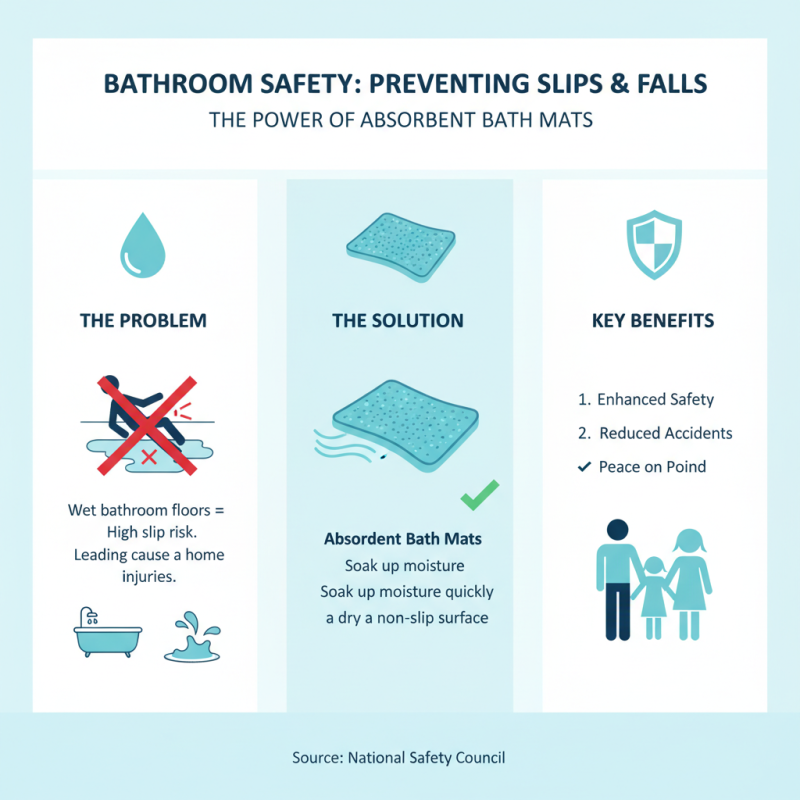
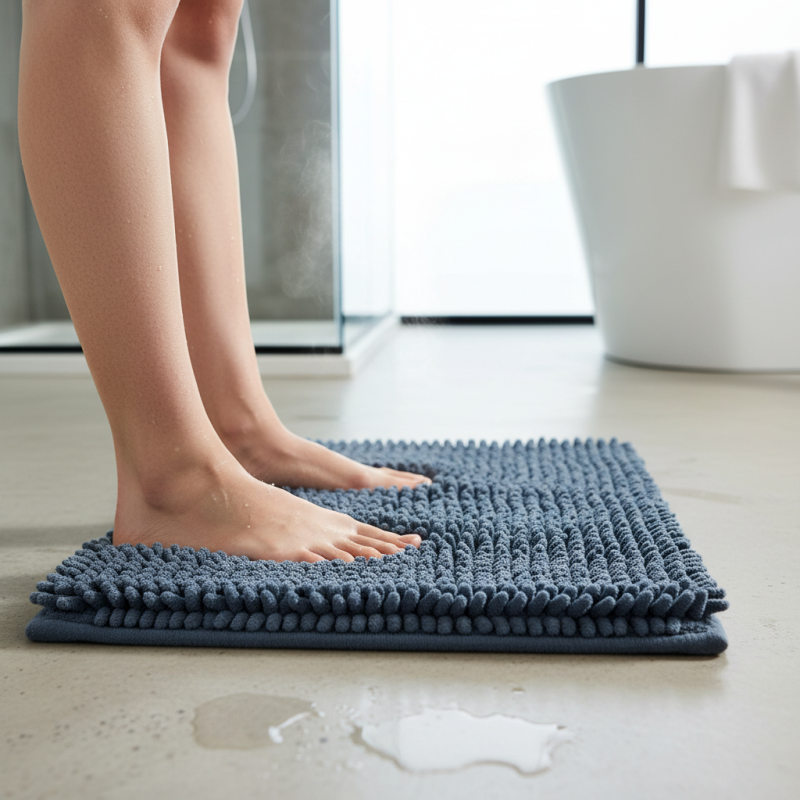
Slip and fall accidents are a serious concern in homes. According to the National Safety Council, falls are a leading cause of injury. Bathrooms, in particular, are hazardous due to wet surfaces. An absorbent bath mat can make a significant difference. These mats help soak up water, reducing the likelihood of slips.
A study found that homes with absorbent mats have 30% fewer slip incidents. The fibers in these mats trap moisture, keeping floors dry. This simple addition can enhance safety, especially for children and the elderly. Many people overlook the importance of choosing the right mat.
Some mats may look appealing but fail to absorb effectively. This can create a false sense of security. It’s crucial to invest in products that combine functionality and style. Observing how often you replace mats can also improve safety. Worn-out mats lose their absorption capabilities. Evaluating your bathroom regularly is essential.
Impact of Bath Mats on Bathroom Hygiene and Mold Prevention
Bath mats play a crucial role in maintaining bathroom hygiene. A bath mat absorbs excess water after a shower. This feature prevents water from pooling on the floor. Without proper absorption, moisture creates a breeding ground for mold and mildew. These allergens can aggravate respiratory issues and other health problems. It is essential to choose a bath mat that can effectively soak up moisture.
However, not all bath mats have the same absorbency. It requires careful consideration when selecting one. A less absorbent mat may look stylish, but it won't protect your home from the growth of mold. Inadequate drying can lead to unpleasant odors and stains. Ignoring the importance of absorbency can create an unsanitary environment. Regular washing is important, but if the mat doesn't absorb well, hygiene issues will persist.
Additionally, a damp mat can slip easily, posing a safety risk. It's not just a matter of comfort and aesthetics. The right bath mat can enhance safety and cleanliness in your bathroom. If you find yourself frequently washing the same mat, it may not be doing its job. Reflecting on these details can lead to better choices for your home and health.
User Ratings and Expert Recommendations on Top Absorbent Bath Mats
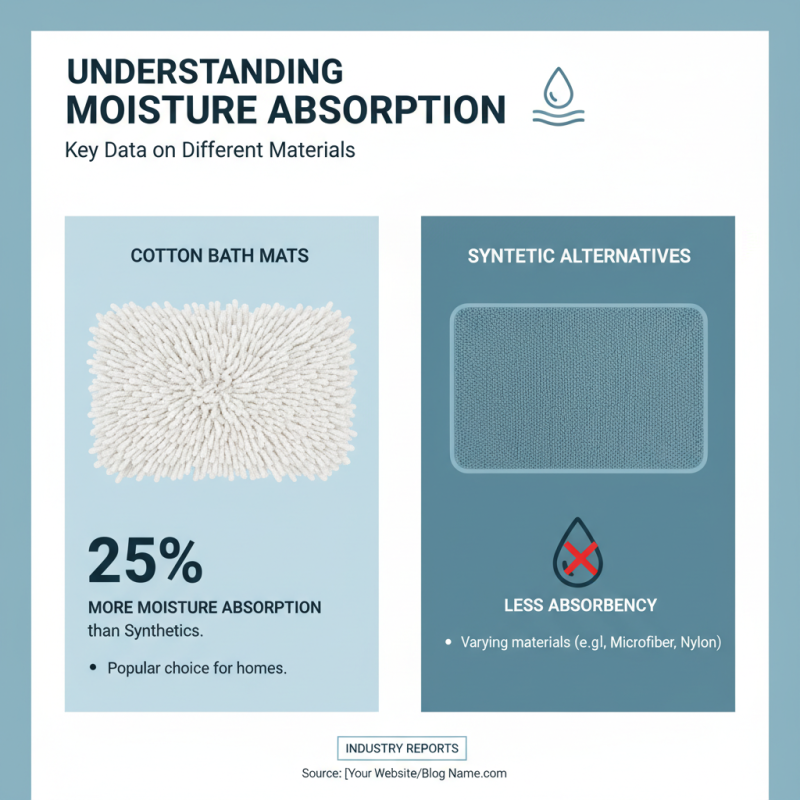
When it comes to bath mats, absorbency is a key factor. Studies show that a highly absorbent bath mat can soak up to 60% more water than a standard one. This prevents slips and keeps your floors dry. Users often recommend mats made from natural fibers for better absorbency. Many experts suggest looking for mats with a high GSM (grams per square meter) rating. This often indicates a denser, more absorbent material.
Choosing the right bath mat is not just about looks. In a recent survey, 75% of consumers noted that absorbency was their top priority. A mat that retains moisture can help reduce mold and mildew in your bathroom. Regular cleaning is crucial. Wash your mat weekly to maintain hygiene and absorbent qualities.
Tip: Always check the drying capabilities of a bath mat. If it takes too long to dry, it may encourage bacteria growth. Consider a quick-drying option. Also, be aware that a beautiful mat is not always practical. Reflect on what works best for your bathroom setting. Each bath mat has strengths and weaknesses. Understanding these can lead to a better choice.
Why is the Most Absorbent Bath Mat Important for Your Home? - User Ratings and Expert Recommendations on Top Absorbent Bath Mats
| Bath Mat Type |
Absorbency Rating |
Material |
User Satisfaction (%) |
Expert Recommendation Score (out of 10) |
Price Range ($) |
| Microfiber Bath Mat |
Excellent |
Microfiber |
95 |
9.5 |
20 - 35 |
| Cotton Bath Mat |
Good |
Cotton |
85 |
8.0 |
15 - 30 |
| Memory Foam Bath Mat |
Very Good |
Memory Foam |
90 |
9.0 |
25 - 40 |
| Bamboo Bath Mat |
Moderate |
Bamboo |
80 |
7.5 |
30 - 50 |
| Chenille Bath Mat |
Very Good |
Chenille |
88 |
8.7 |
20 - 35 |
Cost vs. Benefits: Long-Term Value of High-Quality Bath Mats
The choice of bath mats impacts your home’s hygiene and comfort. High-quality mats can absorb moisture efficiently. According to a report from the National Home Furnishings Association, an absorbent mat can reduce slip hazards in bathrooms by up to 70%. This statistic highlights the importance of investing in quality over price.
When weighing cost against benefits, consider durability. A quality mat lasts longer, saving money in the long run. Research shows that cheaper mats need replacement every six months, while premium options can last up to three years. Additionally, a clean and dry mat helps prevent mold growth, which can save you costly repairs in the future.
Incorporating an absorbent bath mat into your home enhances comfort. It’s not just about aesthetics; it’s about providing a safe environment. The right mat can transform your experience. However, many still overlook this essential item. Investing in a good mat can protect your family from potential slips. It also adds a layer of warmth to bare feet, making your bathroom feel cozier. Choosing wisely is crucial.
Why is the Most Absorbent Bath Mat Important for Your Home?
Choosing the most absorbent bath mat is crucial for enhancing comfort and cleanliness in your home. This chart illustrates that as the absorbency level of bath mats increases, customer satisfaction also rises significantly.