What is a Natural Rubber Bath Mat and Its Benefits?
The Natural Rubber Bath Mat has gained popularity in recent years. Crafted from eco-friendly materials, it offers numerous advantages for the home. According to a report by Grand View Research, the global bath mat market is expected to reach USD 3.5 billion by 2026, driven by the demand for sustainable products.
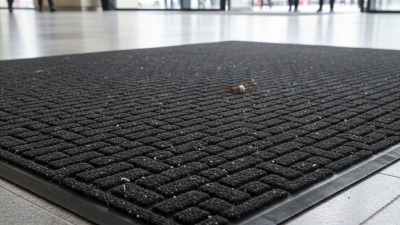
The Natural Rubber Bath Mat stands out for its durability and non-slip surface. This mat absorbs water effectively, reducing slip hazards in bathrooms. A study from the Journal of Cleaner Production highlighted that natural rubber is biodegradable, making it a responsible choice for the environment. However, not all rubber mats are created equal. Some may contain additives that compromise their safety and sustainability.
While the benefits are clear, consumers should remain cautious. Some Natural Rubber Bath Mats may contain latex allergens, posing a risk to sensitive individuals. Moreover, their maintenance is crucial to prevent mold growth. Balancing safety and sustainability is essential when choosing a mat for your bathroom.
What is Natural Rubber and How is it Extracted?
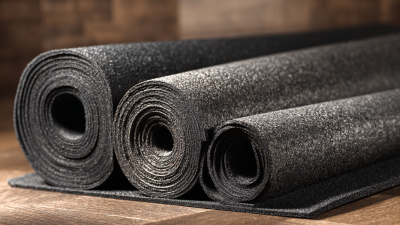
Natural rubber is derived from the sap of rubber trees, primarily the Hevea brasiliensis species. The extraction process begins by tapping the tree. Workers carefully make incisions in the bark, collecting the milky latex that seeps out. This latex is then processed to remove impurities, leading to the creation of natural rubber.
The unique properties of natural rubber make it an excellent material for bath mats. They are non-toxic, durable, and provide a soft texture underfoot. However, sourcing natural rubber raises environmental concerns. Deforestation for rubber plantations can disrupt local ecosystems. Sustainable practices are essential to balance production and conservation.
Natural rubber bath mats offer a safe and comfortable option for bathrooms. Unlike synthetic alternatives, they are biodegradable and less harmful to the environment. Consumers should reflect on their choices. Opting for natural rubber supports a more eco-friendly lifestyle, but it’s important to consider the sourcing methods. Each purchase can impact the planet.
Key Properties of Natural Rubber for Bath Mats
Natural rubber bath mats are becoming increasingly popular due to their unique properties. One key advantage of natural rubber is its exceptional durability. Research shows that natural rubber can last significantly longer than synthetic alternatives. It can withstand heavy use without showing signs of wear, making it cost-effective in the long run.
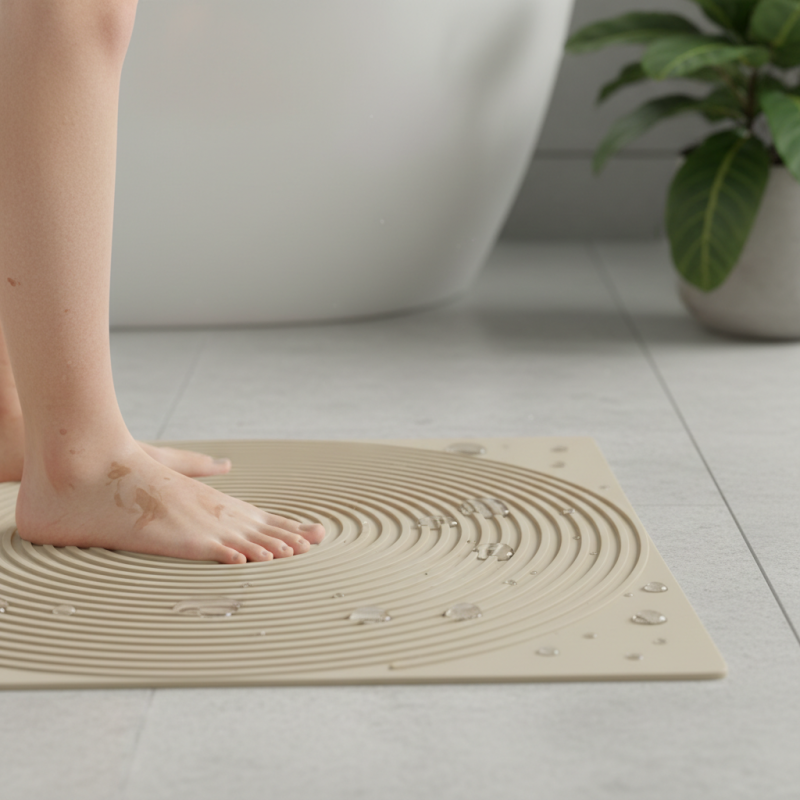
Another noteworthy property is its natural slip resistance. A study from the International Journal of Environmental Research indicates that natural rubber provides superior grip, reducing the risk of slips in wet environments. This is crucial in bathrooms, where safety is a top concern. The natural elasticity of rubber also contributes to a comfortable surface, enhancing the bathing experience.
Furthermore, natural rubber is eco-friendly. Unlike synthetic materials, it has a smaller carbon footprint. According to the Eco Institute, natural rubber production can lead to up to 90% less environmental impact compared to synthetic options. However, sourcing practices can be inconsistent. It’s essential to ensure that the rubber is sustainably harvested. Balancing durability, comfort, and environmental impact makes natural rubber an intriguing choice for bath mat applications.
Environmental Benefits of Using Natural Rubber Bath Mats
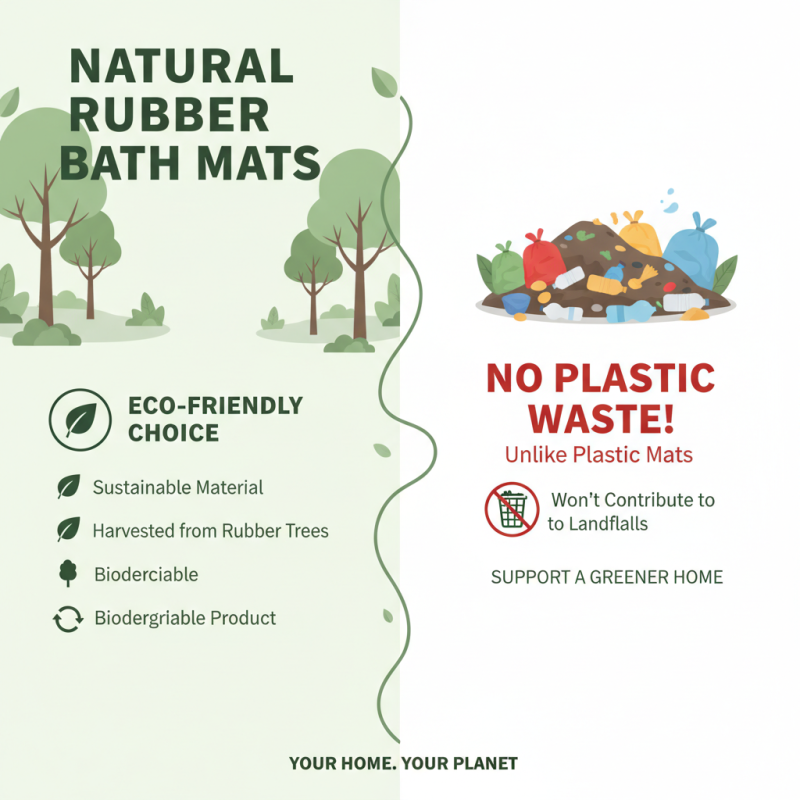
Natural rubber bath mats are an eco-friendly choice for your home. These mats are made from sustainable materials harvested from rubber trees. By using natural rubber, you're supporting a product that is biodegradable. This means, unlike plastic mats, they won't contribute to landfill waste.
Another benefit is their non-toxic nature. Natural rubber mats are free from harmful chemicals. This is important for your health, especially in wet bathroom environments. With so many synthetic products around, choosing natural materials can be refreshing. They tend to have a softer feel, adding comfort underfoot, while still providing slip resistance.
However, natural rubber can absorb water and may need more maintenance. Over time, it can develop mold if not properly dried. It’s a trade-off. Many users appreciate the natural look and feel but must stay vigilant about cleanliness. This balance between environmental consciousness and practical upkeep is a consideration.
Health Advantages of Natural Rubber Over Synthetic Alternatives
Natural rubber bath mats offer several health advantages compared to synthetic alternatives. One major benefit is their natural resistance to mold and mildew. A study shows that natural rubber can absorb moisture but does not trap it, preventing the growth of harmful bacteria. This creates a safer environment, especially in damp bathroom settings.
Additionally, natural rubber is biodegradable. Unlike synthetic materials, which can take hundreds of years to decompose, natural rubber decomposes within a few years. This means choosing natural rubber bath mats contributes positively to the environment. According to data from the Environmental Protection Agency, the average bathroom generates a significant amount of waste each year. Using products that reduce environmental impact can help lessen this burden.
Another noteworthy aspect is allergy considerations. Many people are sensitive to the chemicals used in synthetic materials. Natural rubber, on the other hand, is generally hypoallergenic. Reports indicate that around 20% of the population suffers from allergies related to synthetic materials. Choosing a natural rubber mat could reduce allergy risks, offering peace of mind for families. Overall, making informed choices about bathroom products can directly impact health and well-being.
Market Trends and Consumer Preferences for Bath Mats
As consumers become more environmentally conscious, the demand for natural rubber bath mats is rising. A report by Grand View Research indicates that the global bath mat market is expected to reach $8 billion by 2025. This growth reflects a shift towards sustainable products. Natural rubber mats are preferred for their biodegradability and non-toxic properties.
A survey suggested that nearly 70% of consumers prioritize eco-friendliness when selecting bath mats. Many buyers are now seeking materials that are both functional and sustainable. Natural rubber bath mats offer excellent grip and durability, satisfying these consumer needs. However, not all rubber mats are created equal. It's essential to research how the rubber is sourced.
While natural rubber mats have advantages, they may also pose some challenges. For example, they can retain moisture, potentially leading to mold growth if not dried properly. Thus, consumers should closely monitor the care instructions for maintenance. Finding the perfect balance between sustainability and practicality requires careful consideration. Understanding these market trends empowers consumers to make informed choices.
What is a Natural Rubber Bath Mat and Its Benefits? - Market Trends and Consumer Preferences for Bath Mats
| Feature |
Description |
Consumer Preference (%) |
| Material |
100% Natural Rubber |
78 |
| Eco-friendliness |
Biodegradable and sustainable |
65 |
| Non-slip |
Excellent grip on wet surfaces |
85 |
| Durability |
Long-lasting and resistant to wear |
70 |
| Comfort |
Soft and cushioned underfoot |
80 |
| Maintenance |
Easy to clean and maintain |
75 |