What is a Plastic Green Grass Mat and How is it Used?
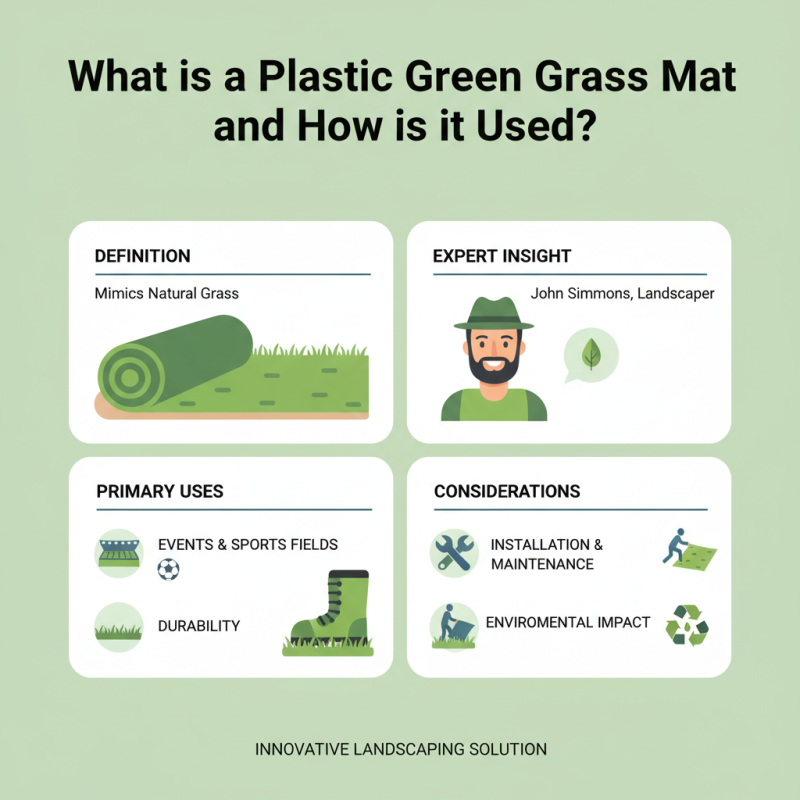
In the world of landscaping and artificial terrain, the "Plastic Green Grass Mat" has emerged as a versatile solution. Expert landscaper John Simmons states, "These mats provide a practical answer to maintaining appearance without the hassle of traditional grass." This innovative product is designed to mimic natural grass, making it an attractive option for various outdoor settings.
Plastic Green Grass Mats are particularly popular for events and sports fields, where real grass may not be feasible. Their durability allows them to withstand heavy foot traffic. However, some users report challenges with installation and long-term maintenance. It’s essential to choose a mat that suits your specific needs, as they come in various qualities.
While these mats offer an aesthetic appeal, their environmental impact is a consideration. Recycling options and material sourcing are areas where further improvement is needed. Despite these concerns, the demand for Plastic Green Grass Mats continues to grow, reflecting a shift towards innovative landscaping solutions.
Understanding Plastic Green Grass Mats: Definition and Features
Plastic green grass mats are gaining popularity in various applications. These mats offer an artificial grass surface that mimics the look and feel of real grass. Made from durable, weather-resistant materials, they are designed to withstand foot traffic and outdoor exposure. Their versatility makes them suitable for homes, sports fields, and event setups.
One of the standout features of these mats is their easy maintenance. They do not require mowing or watering, which saves time and resources. Additionally, they provide a consistent surface, reducing the risk of muddy areas during rainy seasons. However, it is important to consider their environmental impact. The production of plastic materials raises concerns about sustainability.
The installation process can be straightforward, but proper groundwork is essential. Some users report issues with shifting or uneven surfaces over time. Understanding the specific needs of your area can lead to better choices. Researching user experiences can provide insights into longevity and upkeep.
What is a Plastic Green Grass Mat and How is it Used?
| Feature |
Description |
Usage |
| Material |
Made from durable plastic to mimic natural grass. |
Commonly used for landscaping and decoration. |
| Color Options |
Available in various shades of green and brown. |
Used in outdoor events and areas needing aesthetic enhancement. |
| Maintenance |
Requires minimal maintenance; easy to clean. |
Ideal for parks, playgrounds, and commercial spaces. |
| Safety |
Non-toxic and safe for children and pets. |
Used in play areas and sports fields. |
| Thickness |
Available in different thicknesses for various applications. |
Accessible for different uses like events, exhibitions, and more. |
Types of Plastic Green Grass Mats and Their Unique Attributes
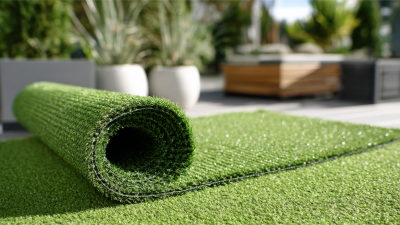
Plastic green grass mats come in various types, each with unique attributes suited for specific purposes. The most common mats include interlocking tiles, roll-out sheets, and individual square patches. Interlocking tiles provide easy installation and flexibility. They can be customized to fit various spaces, making them popular for temporary events and outdoor activities.
Roll-out sheets are ideal for larger areas. They cover vast spaces seamlessly and are often used on sports fields or playgrounds. According to industry data, the demand for roll-out mats has increased by 15% annually due to their versatility and ease of use. Individual square patches serve niche markets, such as pet areas or garden decorations.
However, not all products are created equal. Variability in material quality can lead to differences in durability and appearance. It’s essential to consider factors like UV stability and drainage capabilities. Some mats may fade or deform under harsh sunlight. It's worth reflecting on the need for thorough research when selecting the right type of mat. Understanding each type's benefits and drawbacks plays a crucial role in making informed purchasing decisions.
Common Applications of Plastic Green Grass Mats in Various Settings
Plastic green grass mats are versatile products used in many settings. They provide an aesthetic green surface that mimics real grass without maintenance. These mats are commonly seen in event venues, parks, sports fields, and even homes. Their easy installation makes them popular for both temporary and permanent setups.
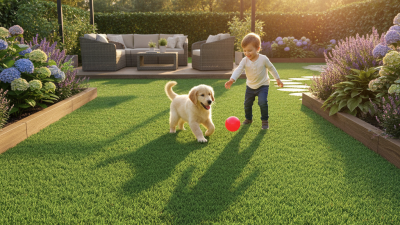
In outdoor events, plastic grass mats create a welcoming atmosphere. They are durable and resistant to weather conditions. For instance, a wedding on a grassy field can benefit from these mats. They help protect the natural turf while providing comfort for guests. Mat applications also extend to play areas for children. They not only ensure safety but also offer a soft landing for falls.
Tips: When using plastic grass mats, ensure proper drainage to prevent water accumulation. Regular cleaning maintains their appearance. Additionally, consider the mat's padding for added comfort in high-traffic areas. The design can improve aesthetics and functionality. However, some may find their plastic nature less appealing compared to authentic grass. Balancing practicality with natural beauty is essential when choosing.
Maintenance Tips for Ensuring the Longevity of Grass Mats
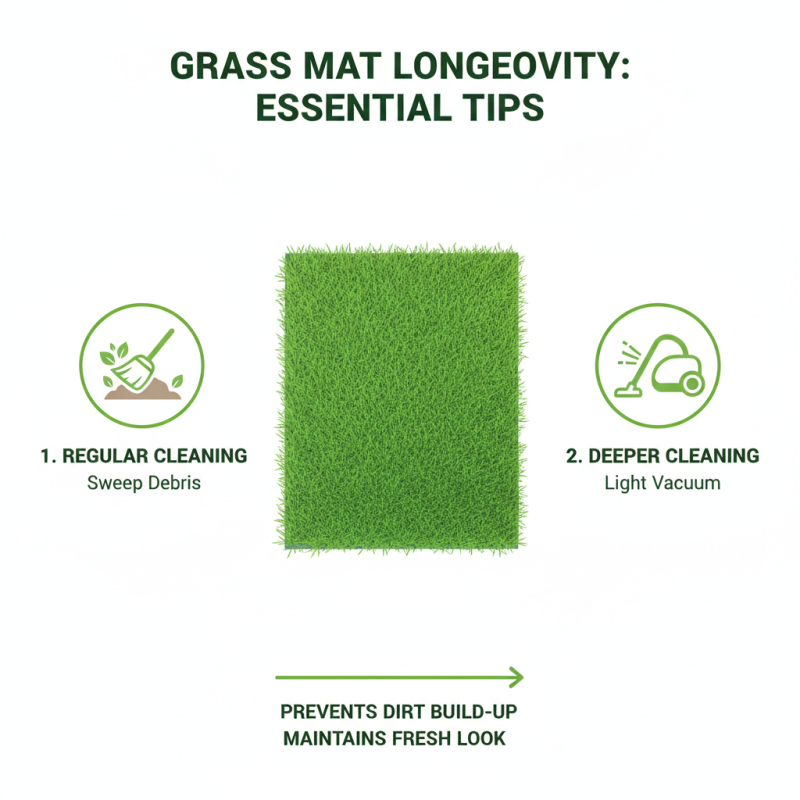
Maintaining a plastic green grass mat requires attention to detail. Regular cleaning is essential. Use a broom to remove debris. A light vacuum can help with deeper cleaning. It's easy to overlook this step, but it greatly affects the mat's appearance. Removing dirt and leaves keeps the mat looking fresh.
In addition to cleaning, check for any wear and tear. The edges can fray over time. If you notice any damage, consider repairing it promptly. Ignoring small issues can lead to bigger problems down the line. For example, a tiny tear might grow larger, compromising the mat's integrity.
Additionally, please pay attention to the mat's usage. Placing heavy objects on it can cause bending. Move items occasionally to prevent these changes. Also, avoid using harsh chemicals when cleaning. They can degrade the plastic over time. A soft detergent works best. These small steps can enhance the longevity of your grass mat.
Environmental Impact and Sustainability Considerations of Plastic Grass Mats
Plastic green grass mats offer a convenient alternative to natural grass for various applications. However, their environmental impact raises important questions. The production of these mats utilizes petroleum-based materials, contributing to fossil fuel depletion. Their longevity can lead to hazardous waste in landfills if not disposed of properly.
One consideration is the potential for plastic pollution. Over time, plastic mats can break down into microplastics, which pose risks to wildlife and ecosystems. It’s essential to assess the entire lifecycle of these products, from manufacturing to disposal. Are there more sustainable options available?
Tips: Opt for mats made from recycled plastics when possible. These options can lower the environmental footprint. Regularly check for any developments in biodegradable or eco-friendly alternatives. Understanding the impact of synthetic products on the planet is a crucial step in making informed choices.