Top Quality Plastic Green Grass Mats for Global Buyers?
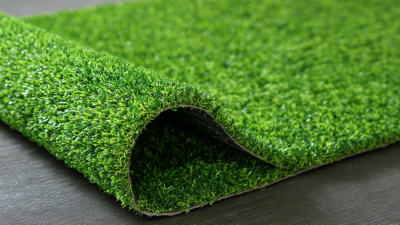
In recent years, the demand for Plastic Green Grass Mats has surged. This product offers aesthetic appeal and practical benefits for various applications. According to industry reports, the global artificial turf market is projected to reach $5 billion by 2027, indicating a growing interest in sustainable landscaping solutions. Plastic Green Grass Mats are preferred for their versatility and low maintenance, making them suitable for residential and commercial use alike.
However, not all mats are created equal. Quality can vary significantly between manufacturers. Buyers must navigate a market filled with diverse options. Assessing factors like material durability and UV resistance is crucial. The importance of reliable suppliers cannot be overstated. Choosing a trusted source ensures long-lasting satisfaction with the purchase.
Environmental concerns also play a role. The production of these mats should align with sustainability practices. Studies indicate that eco-friendly alternatives are gaining traction among consumers. This shift reflects a broader awareness of environmental impacts. Thus, while exploring Plastic Green Grass Mats, one must consider both quality and sustainability. Selecting the right product requires thoughtful reflection on personal and environmental values.
Understanding the Material Composition of Plastic Green Grass Mats
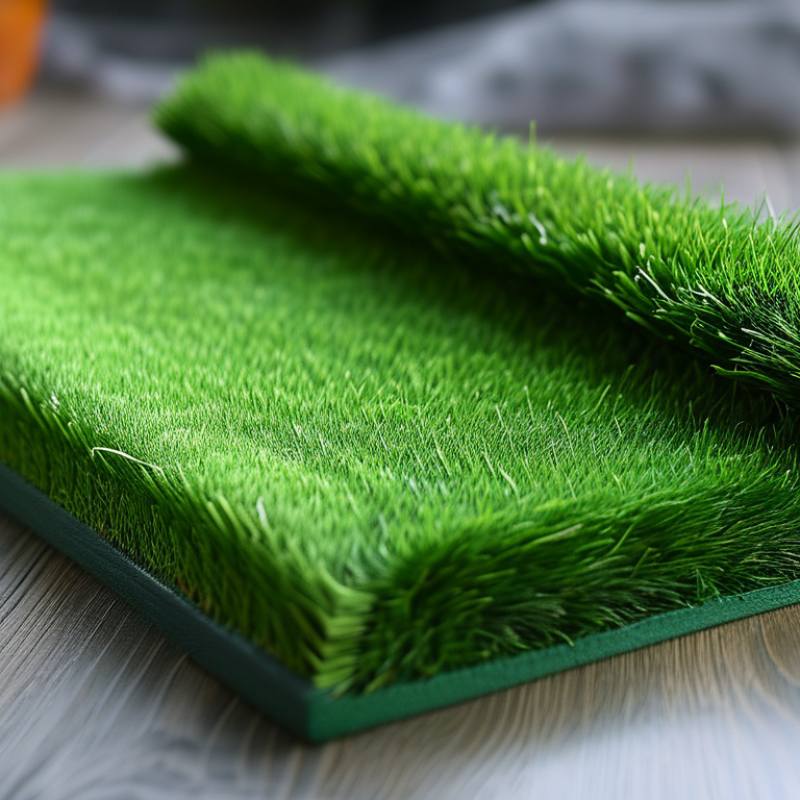
Plastic green grass mats are gaining popularity among global buyers, thanks to their versatility and durability. These mats are typically made from a blend of high-density polyethylene (HDPE) and polypropylene materials. HDPE is known for its toughness, while polypropylene adds flexibility. This combination makes the mats resistant to wear and weather conditions. However, not all plastic grass mats are created equal; the quality and composition can vary significantly.
The manufacturing process plays a crucial role in the final product. Some mats incorporate UV inhibitors to prevent fading in sunlight. Others may lack this feature, leading to a shorter lifespan. When selecting a mat, buyers should consider the thickness and density of the fibers as well. Thicker mats often provide more cushioning and better longevity. Buyers should beware of overly cheap options, as they may not meet durability standards.
While these mats offer a low-maintenance alternative to natural grass, they also present environmental considerations. Recycling options for these plastics can be limited. As the industry evolves, producers need to reflect on sustainable practices. This includes exploring biodegradable materials and eco-friendly production methods. Addressing these challenges ensures a better future for plastic green grass mats.
Key Features and Benefits of High-Quality Grass Mats
When considering high-quality plastic green grass mats, buyers should focus on key features that enhance their value. Durable materials are the backbone of these products. Research indicates that high-density polyethylene (HDPE) mats last up to ten years under normal conditions. This durability translates to long-term savings for consumers. Furthermore, weather-resistant properties prevent fading and deterioration, maintaining aesthetic appeal year-round.
Another noteworthy benefit is the environmental impact. Many grass mats are made from recycled materials, supporting sustainability efforts. A recent industry report revealed that 60% of consumers prefer eco-friendly products, reflecting a growing awareness of environmental issues. These mats often require minimal maintenance, saving time and resources for homeowners and businesses alike.
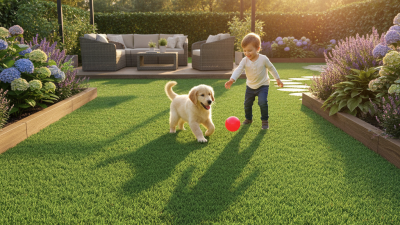
Comfort and safety are significant attributes. Many mats feature a cushioned layer that provides a soft surface for sports and recreational activities. This aspect is essential for reducing injuries, particularly in children's play areas. However, some mats may lack adequate drainage, leading to water accumulation after rain. Addressing these issues can improve functionality and user satisfaction, making it crucial for manufacturers to refine their designs continuously.
Top Quality Plastic Green Grass Mats for Global Buyers? - Key Features and Benefits of High-Quality Grass Mats
| Feature |
Description |
Benefit |
| Durability |
Made from high-quality plastic, resistant to wear and weather conditions. |
Long-lasting, suitable for both indoor and outdoor use. |
| Easy Installation |
Lightweight and flexible design, can be cut to fit any area. |
Saves time and labor costs during setup. |
| Maintenance-Free |
Does not require mowing, watering, or fertilizing. |
Reduces ongoing maintenance efforts and costs. |
| Environmental Friendly |
Made from recyclable materials. |
Contributes to sustainability efforts. |
| Aesthetic Appeal |
Realistic look and feel, comes in various shades of green. |
Enhances the visual appeal of any area. |
| Safety Features |
Non-toxic and hypoallergenic materials. |
Safe for children and pets. |
Applications of Plastic Green Grass Mats in Various Industries
Plastic green grass mats have gained traction across various industries due to their versatile applications. In landscaping, they provide an aesthetic appeal without the maintenance demands of real grass. These mats are often used in public parks, playgrounds, and event venues to create green spaces where natural grass may not thrive. Their resilience against wear makes them ideal for high-traffic areas.
Moreover, in the sports industry, these mats serve as a reliable surface for outdoor and indoor activities. They can be seen in soccer fields, golf courses, and even general fitness spaces. The shock-absorbent quality of the mats helps reduce injuries for athletes. However, there’s a learning curve in installation; uneven surfaces can lead to safety issues.
In addition to recreational uses, plastic green grass mats are also employed in the packaging and shipping sectors. They protect fragile items from damage during transit. This layer of protection helps businesses reduce loss. Nevertheless, companies must remain vigilant about the environmental impact of plastic products. Using recycled materials could improve sustainability, but the transition requires thoughtful planning and adaptation.
Factors to Consider When Sourcing Grass Mats for Global Markets
When sourcing plastic green grass mats for global markets, several key factors come into play. Quality is paramount. Buyers need mats that can withstand various weather conditions. Look for UV resistance to ensure the color lasts longer. The durability of the material plays a crucial role. Low-quality mats may fray or fade quickly, leading to unhappy customers.
Another important consideration is sourcing from reliable suppliers. Conduct thorough background checks. This can include reading reviews and requesting samples. An established supplier often has a proven track record. They are more likely to provide consistent quality and support.
Pricing is significant but should not be the sole deciding factor. Cheap materials may lead to higher long-term costs. Weigh the benefits of investing in higher quality against immediate savings. The most cost-effective option is not always the best. Reflect on the long-term needs of your customers. Their satisfaction can impact your reputation and sales growth.
Sustainability and Environmental Impact of Plastic Grass Mats
The rising popularity of plastic grass mats raises questions about sustainability and environmental impact. According to a report from the Environmental Protection Agency (EPA), synthetic turf contributes significantly to urban heat and runoff. These plastic mats do not naturally decompose like natural grass. As a result, they can accumulate in landfills for decades, creating long-term ecological issues.
Plastic grass mats often contain materials like polyethylene and polypropylene. These materials can leach harmful chemicals into the ground. A study by the Green Sports Alliance highlights that synthetic turf can increase surface temperatures by up to 60 degrees Fahrenheit during the summer months. This heat absorption contributes to the urban heat island effect, impacting local flora and fauna.
While many buyers appreciate the low maintenance aspect of plastic mats, the environmental costs are concerning. Recycling options for synthetic turf remain limited. Industry estimates suggest that only 10% of such materials are recycled properly. There is a growing need for innovative solutions in this sector. Without improvements, the environmental footprint of plastic grass mats could overshadow their benefits.