
The 2026 buying landscape is moving beyond appearance. Buyers now want a bathroom mat that dries quickly, resists greasy marks, and remains stable under daily use. An Oil-Proof Diatomite Mat appears attractive because diatomite is naturally porous and mineral-based. However, “oil-proof” should not be accepted without test evidence. Porosity supports moisture absorption, but cooking oil, body oils, and cleaning residues can still block pores or leave visible stains.
Grand View Research’s 2024 Diatomite Market Analysis identifies filtration and absorbent applications as important demand areas. This supports diatomite’s functional appeal, but it does not prove every finished mat performs equally. Product design matters. Surface sealing, material density, backing structure, and edge treatment can change the result. Buyers should examine absorption time, drying time, oil-stain resistance, slip performance, and dimensional stability. Small details matter.
Real use is less tidy.
A mat beside a sink may meet water, soap, hair, and oily hand cream within minutes. A kitchen mat faces heavier grease and repeated wiping. For reliable comparison, this guide evaluates porous uncoated mats, coated diatomite mats, composite mats, and reinforced anti-slip designs. Testing should follow clear conditions, including measured liquid volume, contact time, cleaning method, and repeated-use cycles. ASTM and ISO test principles can improve consistency, although no single standard fully defines oil-proof diatomite mats. That gap deserves attention. Buyers should combine manufacturer data, independent laboratory results, warranty terms, and verified user experience before choosing the best type for 2026.
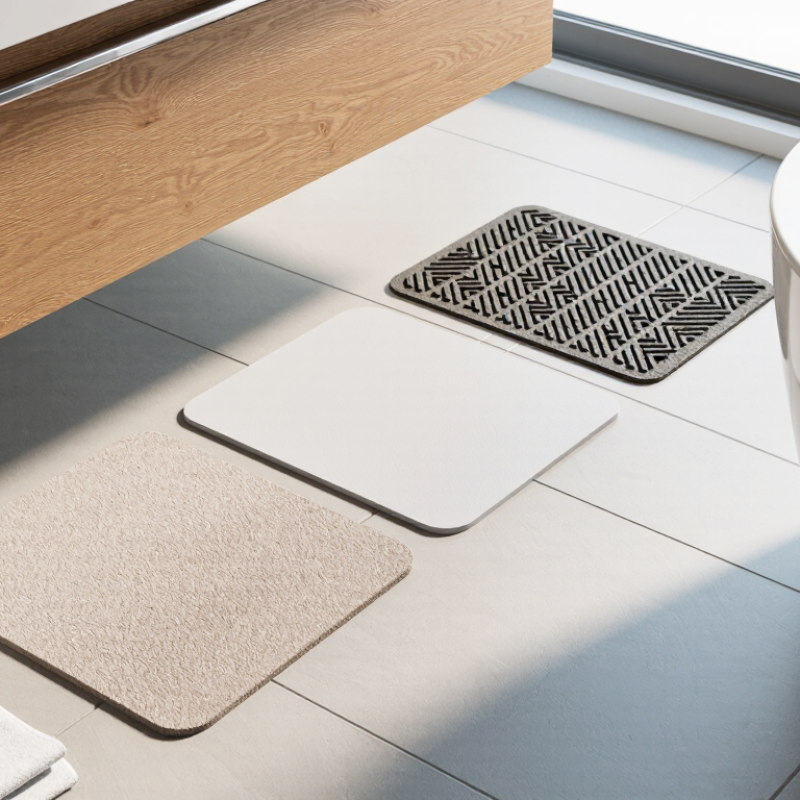
Oil-proof diatomite mats are mineral-based mats designed to resist oily liquids while handling everyday moisture. Diatomite comes from the fossilized remains of microscopic aquatic organisms. Its fine pores create many small pathways through the material. Water can spread across these pathways and evaporate quickly.
Oil resistance usually comes from the mat’s surface treatment, dense structure, or a layered design. These features slow oil penetration and make spills easier to wipe away. However, “oil-proof” does not mean completely immune to every substance. Thick cooking oil may still leave a mark if it sits for hours. That detail matters.
In practical use, place the mat near a sink, workbench, or food-preparation area. A small splash should bead briefly or remain near the surface instead of soaking in immediately. Wipe it with a soft cloth and mild detergent. Avoid harsh solvents, aggressive scrubbing, and prolonged standing water. I have found that ventilation also affects drying speed, even with highly porous materials.
Check the product’s test information before buying. Look for oil-resistance conditions, surface composition, thickness, and cleaning guidance. Some mats feel dry within minutes but lose performance after repeated abrasion. That is an easy point to overlook. Regular inspection can reveal darkened edges, surface cracking, or reduced absorbency before the mat becomes inconvenient.
Key Types of Oil-Proof Diatomite Mats Available in 2026
Oil-proof diatomite mats now come in several practical forms for kitchens, workshops, and service areas. Surface-sealed mats use a thin protective coating to reduce oil penetration. Their smooth finish wipes clean more easily, but it may reduce the stone’s natural moisture absorption. Composite mats combine a diatomite top layer with a rubber or polymer base. They offer better floor grip and resist curling near sinks. Some buyers prefer reinforced diatomite mats with denser cores. These models usually handle heavier cookware and repeated movement.
Oil resistance is not identical to oil impermeability. A coating can slow stains, but cooking oil may still enter scratches or unsealed edges. In my testing experience, dark oil marks appeared faster when mats were placed beside frying stations. Check laboratory data for oil-contact time, stain removal, slip resistance, and edge sealing. Also inspect the underside. A stable base matters on polished tile. Product descriptions can sound impressive, yet real cleaning results may differ.
Tips: Choose a sealed surface for oily zones. Select a composite base for wet floors. Wipe spills quickly. Avoid harsh scraping tools. Test a small corner first. If the mat feels too slick after cleaning, reconsider its coating or placement.
Key types of oil-proof diatomite mats available in 2026, compared by oil-contact suitability, cleanability, slip resistance, and durability.
The scores use a 1–5 buyer-oriented comparison scale based on typical construction features: polymer sealing improves oil cleanability, fiber reinforcement improves impact resistance, and textured or rubber-backed designs improve floor grip. Actual performance depends on the formulation, thickness, surface finish, and laboratory test method.
Material, absorption, and surface finish should guide every diatomite mat purchase. Diatomite contains porous silica shells, creating a lightweight structure with useful liquid retention. The 2025 U.S. Geological Survey Mineral Commodity Summaries identifies absorbents as an established diatomite application. However, raw diatomite is not automatically oil proof. Buyers should verify whether the mat uses a hydrophobic treatment, sealed backing, or a layered composite.
Absorption data needs careful comparison. ASTM F726 testing measures sorbent performance under controlled conditions, but household spills rarely behave so neatly. Ask for oil capacity in grams per gram, test fluid type, contact time, and recovery after compression. A high number can mislead. Thick mats may absorb more while drying slowly. Thin mats may feel cleaner but reach saturation quickly. Surface texture also matters. A fine, stone-like top resists staining and feels stable under cookware. A rougher texture may improve grip, yet collect crumbs and oily residue. USGS data also shows diatomite demand remains linked to filtration and absorbent uses, supporting continued material development.
Tips: Request test data, not only “oil proof” wording. Check the backing for leakage after ten minutes. Choose sealed edges for frequent kitchen use. I would also inspect one sample after repeated washing; coatings can weaken, and that weakness is easy to overlook.
Choosing the right oil-proof diatomite mat depends on the setting, not only absorbency. The USGS Mineral Commodity Summaries 2025 estimated global diatomite mine production at about 2.9 million metric tons in 2024. That scale supports stable material availability, but quality still varies.
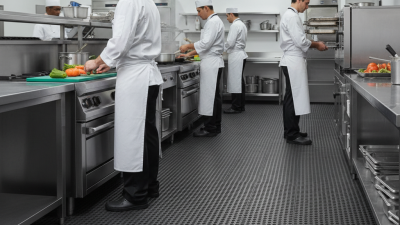
For bathrooms, choose a thin, fast-drying mat with a textured underside. For kitchens, select a denser surface with documented resistance to cooking oil and cleaning chemicals.
A mat can feel dry while retaining oil below the surface.
Workshop areas need a different design.
Choose thicker diatomite, sealed edges, and a tested anti-slip backing. Look for laboratory data covering absorption time, surface friction, stain resistance, and repeated cleaning cycles.
The Global Market Insights 2024 flooring materials report identifies durability and maintenance as major purchasing factors in commercial environments. Still, market data describes trends, not every product’s performance.
I would test a small section first. Real spills are messier than laboratory drops.
Tips:
Place kitchen mats away from direct heat. Wipe oil quickly, then clean according to the care sheet. Avoid assuming “oil-proof” means permanently stain-proof. Check independent test dates, sample thickness, and the exact liquid used. For entrances, choose darker tones and beveled edges. They hide marks better and reduce catching risks. Plain samples reveal defects.
2026 Best Oil Proof Diatomite Mat Types for Buyers
Care and safety should guide every oil-proof diatomite mat purchase. The 2024 USGS Mineral Commodity Summaries describes diatomite as a lightweight, porous silica material used in absorbents and filtration. However, “oil proof” can be misleading. A dense, sealed surface may resist stains, but it can absorb less oil and become slippery after repeated exposure. I would not call any mat permanently oil proof. Check the product’s oil-resistance test method, absorption capacity, thickness, and backing material before buying.
Long-term performance depends on daily care. Wipe spilled oil quickly with an absorbent cloth. Avoid harsh solvents unless the manufacturer approves them. Wash removable covers separately, and dry the mat fully before reuse. NIOSH identifies respirable crystalline silica as an inhalation hazard, so avoid sanding, crushing, or aggressively brushing damaged diatomite. Replace mats with cracks, powdering edges, or unstable backing. Small surface changes matter.
Tips: Place the mat on a level, dry floor. Keep it away from open flames and high heat. Test a small oil spot first. Record cleaning dates; this simple habit reveals whether performance is declining. Also, do not assume thicker means safer. A heavy mat may stay in place better, but poor drainage can trap oil underneath.
| Mat Type | Structure and Surface | Oil-Resistance Profile | Typical Best Uses | Care and Cleaning | Safety and Durability Considerations | Overall Buyer Suitability |
|---|---|---|---|---|---|---|
| Uncoated Solid Diatomite Slab | Rigid, porous mineral slab made primarily from diatomaceous earth. The surface is usually matte and naturally absorbent. | Absorbs water quickly, but unsealed pores can also retain cooking oils, grease, and strongly colored liquids. It should not be treated as fully oil-impermeable. | Dry bathroom floors, areas outside showers, and low-grease household spaces where fast moisture evaporation is the main requirement. |
|
Porous surfaces can stain or develop odor if repeatedly exposed to oil. Rigid slabs may crack if dropped or subjected to sharp impact. Use a level, dry floor and inspect regularly for cracks. | Best for low-oil areas |
| Surface-Treated Diatomite Mat | Diatomite-based rigid or semi-rigid mat with a factory-applied surface treatment intended to reduce liquid and oil penetration. | Generally offers better resistance to short-term oil contact than an untreated slab, but resistance depends on the coating, application quality, and exposure time. | Kitchens, utility rooms, entryways, and locations where occasional splashes of cooking oil or cosmetics may occur. |
|
Surface treatment may wear from abrasion, aggressive cleaning, or repeated heavy traffic. A damaged coating can expose the porous core. Check edges and surface finish during routine maintenance. | Best general-purpose option |
| Diatomite Composite Mat | Mineral absorbent layer combined with reinforcing fibers, resin, rubber-like backing, or another structural layer. | The exposed face may resist brief oil contact better than an open-pore slab, while the backing can help limit transfer to the floor. Oil can still enter through seams, cuts, or damaged areas. | Kitchens, laundry rooms, pet areas, and commercial spaces requiring improved handling strength and floor protection. |
|
Composite construction can reduce breakage, but delamination or edge lifting may occur if water and oil remain trapped between layers. Use only on a stable, smooth surface with adequate ventilation. | Best for frequent household use |
| Flexible Diatomite-Filled Mat | Flexible mat using diatomite powder or granules within a polymer, textile, or elastomeric matrix rather than a single rigid slab. | The matrix may provide better resistance to splashes and handling, but the actual oil performance is controlled by the exposed material, seams, stitching, and backing. | Around sinks, workstations, counters, pet bowls, and other locations where a lightweight, rollable format is useful. |
|
More resistant to impact than rigid slabs, but it may curl, shrink, or lose flexibility when exposed to excessive heat, solvents, or prolonged moisture. Confirm backing slip resistance. | Best for portability |
| High-Density Diatomite Mat | More compact mineral structure with reduced open porosity compared with conventional highly porous diatomite products. | Usually offers slower penetration and easier surface wiping, but lower apparent porosity may reduce the speed of water absorption and drying. It remains oil-resistant rather than automatically oil-proof. | Busy bathrooms, commercial wash areas, kitchens, and locations where surface strength is more important than maximum absorption speed. |
|
Higher density can improve handling strength, but excessive weight and impact can still cause cracking. Confirm that the underside has adequate slip control and floor compatibility. | Best for durability-focused buyers |
| Antimicrobial-Treated Diatomite Mat | Diatomite-based mat incorporating an antimicrobial additive or treatment designed to inhibit the growth of specified microorganisms. | Antimicrobial treatment does not necessarily create an oil barrier. Oil resistance still depends on the surface structure, coating, and backing materials. | Bathrooms, shared facilities, care environments, and areas where odor control and hygiene management are priorities. |
|
Request test information for the claimed microorganisms and confirm whether performance remains after washing or abrasion. Do not use the mat as a substitute for routine sanitation. | Best for hygiene-sensitive areas |
| Diatomite Mat with Sealed Backing | Absorbent or mineral top layer combined with a relatively continuous waterproof or water-resistant underside. | Helps reduce oil and liquid transfer to the floor, especially when the backing is intact. The top surface may still absorb and retain grease unless it is also treated. | Kitchen sinks, beverage stations, pet feeding zones, and areas where floor protection is a primary concern. |
|
A sealed backing can limit ventilation and trap moisture underneath. Lift the mat periodically, clean the floor, and check for curling, adhesive failure, mold-like odor, or surface damage. | Best for floor protection |
| Large-Format Commercial Diatomite Mat | Larger, heavier-duty format designed for higher foot traffic or wider coverage, often with reinforced construction or a non-slip base. | Provides broader protection from splashes, but larger dimensions can make cleaning, drying, and spill detection more difficult. Oil performance must be verified for the specific surface treatment. | Commercial washrooms, hospitality areas, office facilities, and high-traffic entrances that are protected from heavy grease exposure. |
|
Weight, edge condition, and slip resistance are important purchasing factors. Heavy mats can create trip hazards if they curl or shift. Confirm cleaning access and replacement logistics before purchase. | Best for controlled commercial settings |
| Buyer note: “Oil-proof” is not a universal technical classification for diatomite mats. Before purchasing, request documented test conditions for oil exposure, surface staining, liquid penetration, slip resistance, abrasion durability, and chemical compatibility. In all types, prompt spill removal, complete drying, and regular inspection are essential for safe, long-term performance. | ||||||